DHEA, short for dehydroepiandrosterone, is a hormone naturally produced by the adrenal glands located just above the kidneys. While scientists are still uncovering its full range of functions, it is known to act as a precursor to key sex hormones like testosterone and estrogen. This means the body converts DHEA into these active hormones, which play vital roles in various bodily processes. Production of DHEA typically peaks in a person’s mid-20s and gradually declines with age, mirroring similar drops in testosterone and estrogen levels. This decline has led to interest in DHEA supplements as a way to boost hormone levels, but it’s essential to separate hype from evidence-based facts.
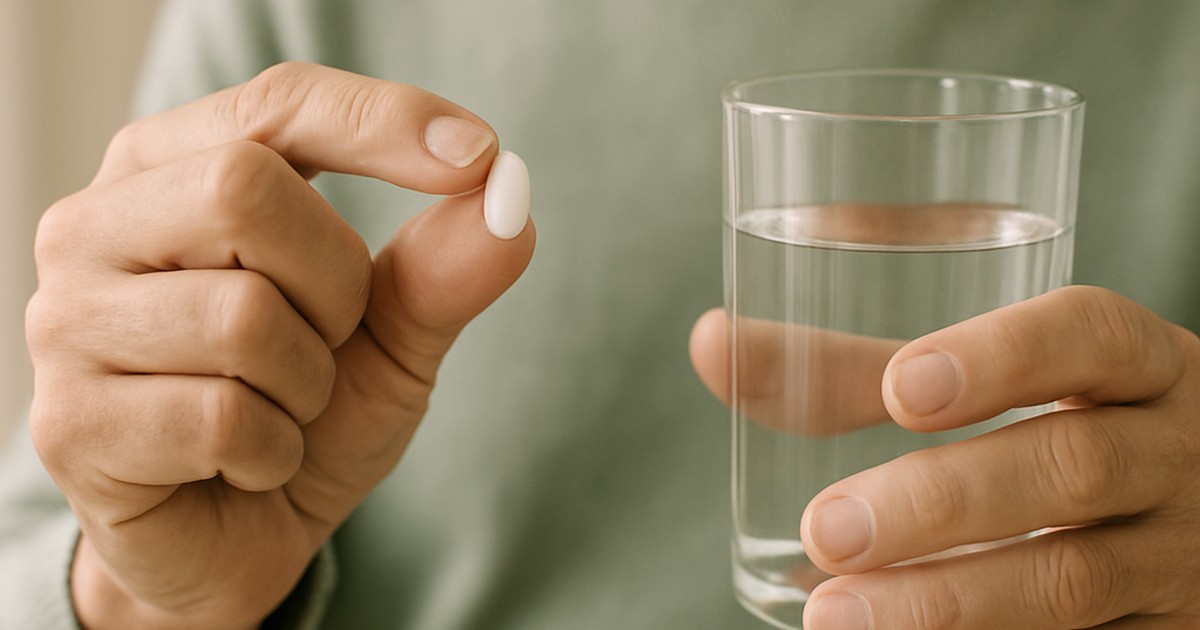
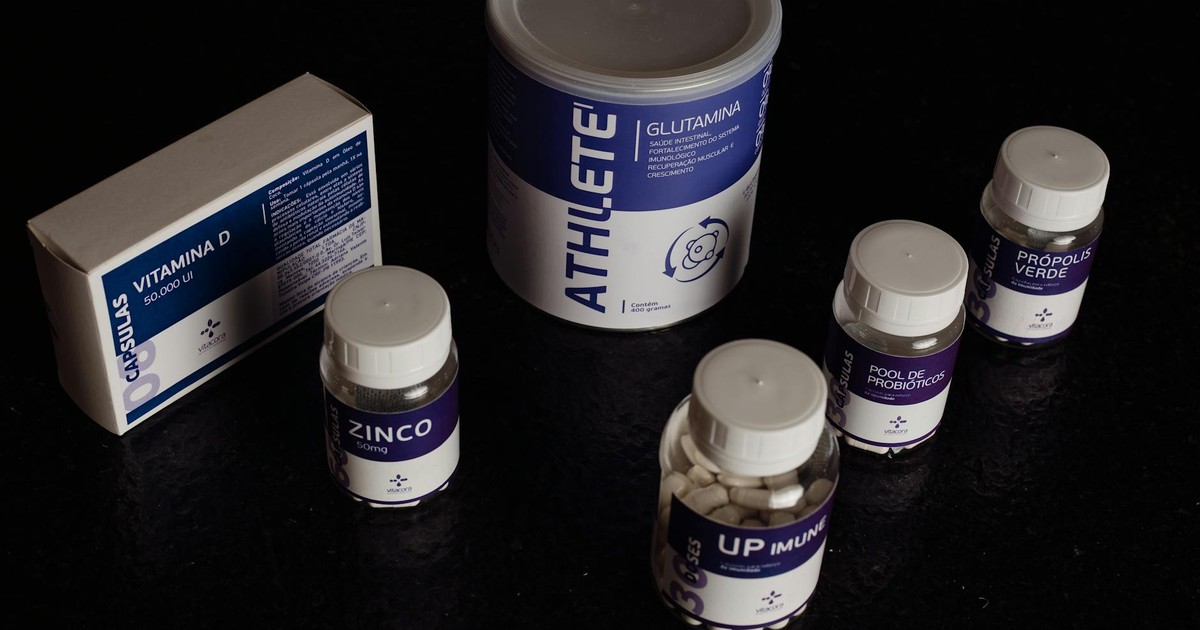
DHEA supplements are laboratory-made versions of the hormone, available in forms such as tablets, capsules, creams or gels for topical application, and powders. They are not regulated by the FDA, except for one approved form used to treat menopause symptoms, which highlights the importance of caution. According to Sasha Hakman, MD, a board-certified reproductive endocrinologist at HRC Fertility in Beverly Hills, California, doctors typically recommend DHEA supplements for women with adrenal insufficiency. This condition involves inadequate production of cortisol and aldosterone, a hormone that helps regulate blood pressure. “Supplementation is particularly helpful in this case, if there are persistent symptoms such as low libido, fatigue, or depression, despite adequate treatment for the disease,” Hakman says.
Many claims surround DHEA supplements, including benefits like supporting adrenal function, strengthening the immune system, slowing aging, boosting energy and sex drive, improving mood and memory, and building bone and muscle strength. However, scientific support for these assertions is often limited or mixed. For instance, regarding anti-aging, some small studies have reported positive effects, but an equal number have found no impact, and researchers caution that long-term use could be harmful due to unknown effects. Similarly, for weight loss, a variant called 7-Keto has been promoted to reduce body fat and enhance metabolism, yet most studies show little effect on weight loss or metabolic rate.
Athletes sometimes use DHEA supplements in hopes of improving muscle strength and performance, as it is a prohormone that can increase steroid hormone levels like testosterone. However, evidence for such benefits is scant, and its use is banned by major sports organizations including the National Football League, Major League Baseball, and the National Collegiate Athletic Association. Risks associated with DHEA, especially at higher doses, include permanent stunting of growth, aggressive behavior known as “roid rage,” mood swings, higher blood pressure, liver problems, and changes in cholesterol levels. Since DHEA can raise testosterone and estrogen, women may experience side effects like facial hair growth and a deepening voice, while men might encounter breast enlargement, shrunken testicles, or reduced sperm production.
In terms of health conditions, DHEA supplements show some promise for easing mild to moderate depression. A small, six-week study by researchers from the National Institute of Mental Health found that DHEA helped relieve depression in some middle-aged individuals. It may also benefit aging skin. However, for other conditions such as Alzheimer’s disease, low bone density, heart disease, cervical cancer, myalgic encephalomyelitis/chronic fatigue syndrome, Crohn’s disease, infertility, rheumatoid arthritis, schizophrenia, and sexual dysfunction, evidence is unclear or lacking. There is little support for claims related to fibromyalgia, memory improvement, muscle strength enhancement, or immune system stimulation.
Safety is a major concern with DHEA supplements. Possible side effects include oily skin, acne, skin thickening, hair loss, upset stomach, high blood pressure, menstrual cycle changes, fatigue, nasal congestion, worsening of certain mental health conditions, headache, rapid or irregular heartbeat, insomnia, and lower HDL (“good” cholesterol) levels. These effects often stem from increased hormone levels, and experts warn that long-term consequences are not well understood. Additionally, DHEA may raise the risk of cancers like ovarian, breast, and prostate cancer, and it can interact with medications, reducing their effectiveness. Avoid DHEA if taking estrogen, testosterone, seizure or bipolar disorder medications such as carbamazepine, lithium, and valproic acid, selective serotonin reuptake inhibitors (SSRIs), or triazolam (Halcion). Pregnant or nursing individuals should not use DHEA supplements.
Recommended dosages generally allow up to 50 milligrams per day for up to two years, but only under a doctor’s guidance. If considering DHEA supplements, consult a healthcare professional first, as many claims involve serious medical conditions that require proper diagnosis and treatment. A doctor can assess whether DHEA is appropriate and help manage potential risks.
Common questions about DHEA include its effects on the menstrual cycle. While research is limited, experts believe DHEA does not significantly alter menstrual patterns, though high doses might cause irregular periods in women with typical cycles. Overdosing is possible and can exacerbate risks and side effects. The time it takes for DHEA to work varies based on factors like individual body chemistry, purpose of use, dosage, and frequency. For example, relief from menopause symptoms might be seen in four weeks, while benefits for adrenal insufficiency could take up to six months.
In summary, DHEA is a natural hormone that declines with age, and supplements aim to elevate these levels. Claims about mood, energy, and sexual health improvements exist, but more research is needed for confirmation. Since DHEA supplements lack FDA approval for most uses and carry significant risks, they should only be used under medical supervision to ensure safety and appropriateness.