Iron is a fundamental mineral that plays a starring role in your body’s ability to produce healthy blood and sustain energy levels. While many of us might picture a hearty steak or a bowl of spinach when thinking about iron sources, the truth is that this essential nutrient is abundant in a wide variety of foods, including fish, eggs, nuts, legumes, and vegetables. Understanding how to incorporate these into your diet can be a game-changer for your overall wellness.
Your daily iron needs aren’t one-size-fits-all; they vary significantly based on factors like age, sex, and life stage. For instance, women and those assigned female at birth often require more iron during menstruation, pregnancy, or breastfeeding. The National Institutes of Health provides specific recommendations to guide your intake: infants from birth to 6 months need 0.27 milligrams, while those aged 7-12 months require 11 milligrams. Children between 1-3 years should aim for 7 milligrams, and those 4-8 years need 10 milligrams. For ages 9-13, it’s 8 milligrams. Teen boys 14-18 require 11 milligrams, whereas teen girls in the same age group need 15 milligrams. Adult men aged 19-50 should get 8 milligrams daily, while adult women in that range need 18 milligrams. After age 51, both men and women can target 8 milligrams. Pregnant teens and adults have higher needs at 27 milligrams, and breastfeeding teens need 10 milligrams, with breastfeeding adults requiring 9 milligrams.
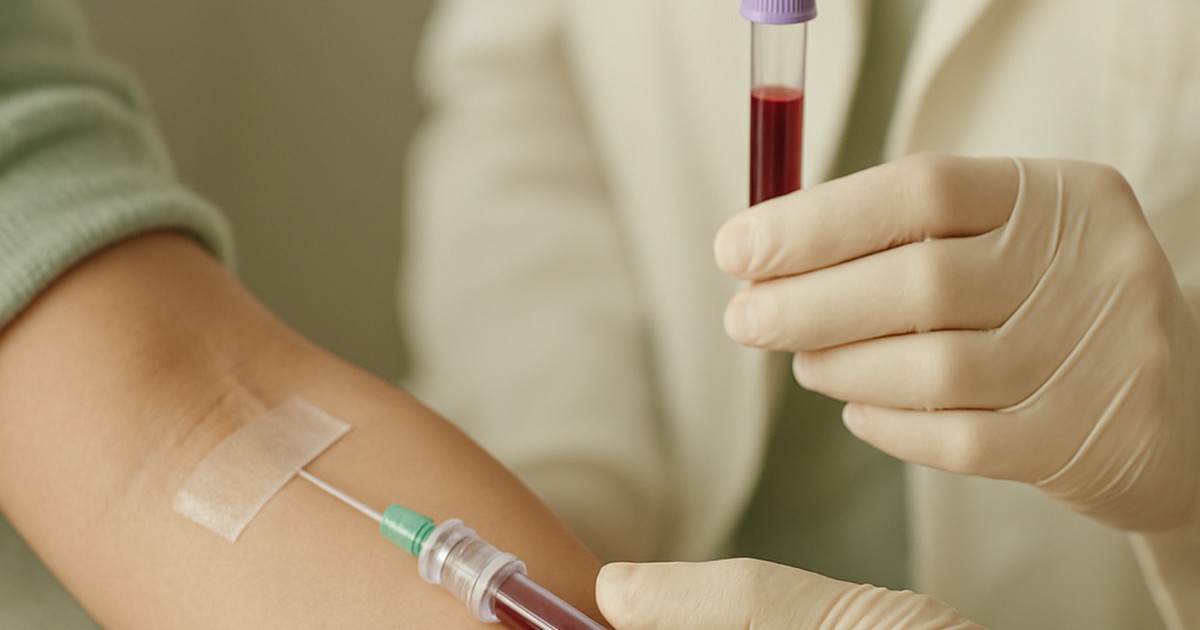
When your diet falls short on iron, you might develop iron-deficiency anemia, a common condition where your blood lacks enough healthy red blood cells. This happens because iron is crucial for producing hemoglobin, a substance in red blood cells that transports oxygen to your body’s tissues. Without sufficient iron, your red blood cells can’t function properly, often leading to feelings of weakness and fatigue that can impact your daily life.
To understand how to optimize your iron intake, it helps to know how your body processes this mineral. Iron is absorbed primarily in the upper part of your small intestine, and it comes in two forms from food: heme and non-heme. Heme iron, derived from hemoglobin, is found exclusively in animal foods like red meats, fish, and poultry, and it’s the type your body absorbs most easily. Non-heme iron, on the other hand, comes from plant sources or fortified foods such as spinach, beans, and enriched grains and cereals. Interestingly, meat, poultry, and seafood also contain some non-heme iron since these animals consume plant-based diets. About 70% of the iron in your body is used to produce hemoglobin, while roughly 25% is stored as ferritin, a blood protein typically held in your liver and immune system cells for future use.
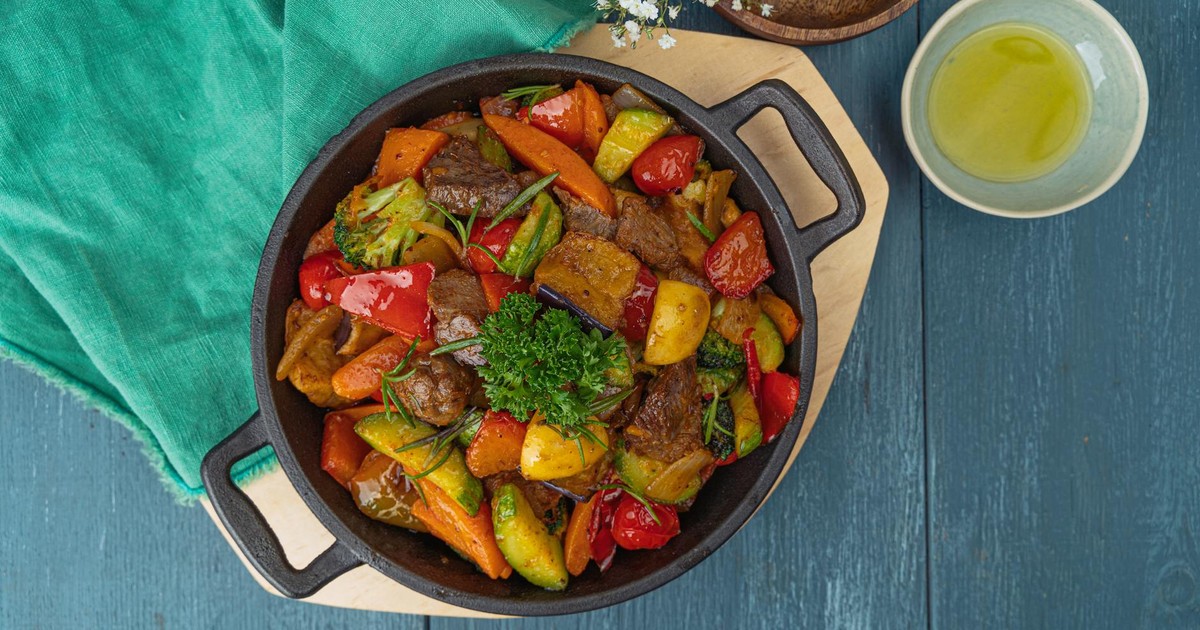
Incorporating iron-rich foods into your meals is easier than you might think, with options spanning both plant-based and animal sources. For meats, excellent choices include liver, beef, chicken, pork, venison, and lamb. Seafood lovers can turn to oysters, mussels, shrimp, clams, sardines, mackerel, tuna, and scallops. When it comes to vegetables, spinach, kale, collard greens, beet greens, chard, sweet potatoes, broccoli, and string beans are all packed with iron. Fruits like strawberries, watermelon, figs, dates, raisins, dried apricots, and prunes also contribute to your intake. Don’t overlook other foods such as eggs, beans, lentils, iron-fortified cereals, bread, pasta, molasses, peas, and maple syrup.
Maximizing how much iron your body absorbs involves a bit of strategy, as this process is influenced by what you eat and drink. Some foods can enhance absorption, while others, like coffee and tea, may hinder it. Calcium can also interfere with iron uptake. To get the most out of your iron-rich meals, try avoiding coffee, tea, and calcium-rich foods or drinks during those times. You can boost absorption by pairing heme iron sources, such as meats, with non-heme iron foods like fruits and vegetables. Additionally, combining iron-rich items with vitamin C-rich options—think citrus fruits, tomatoes, and peppers—can be highly effective.
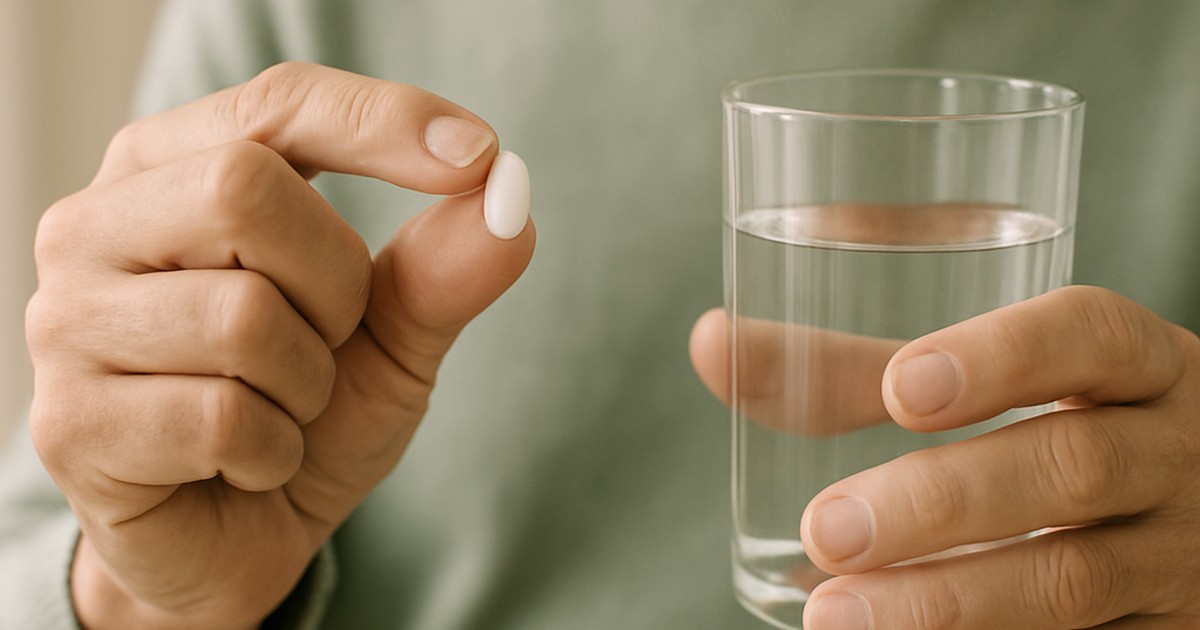
If you find it challenging to meet your iron needs through diet alone, an iron supplement might be necessary. Ferrous sulfate is a common choice for treating iron-deficiency anemia. However, it’s essential to consult with a healthcare provider to determine the best supplement for you, as they can recommend the right dosage and advise on proper usage. Be cautious, though: too much iron can lead to unpleasant side effects like upset stomach and constipation, and in severe cases, it might cause more serious issues. Since very little iron is excreted from your body, excess can accumulate in tissues and organs once storage sites like the liver, spleen, and bone marrow are full. While iron toxicity from food is rare, overdoses from supplements are possible and can be dangerous.