
In recent years, the alkaline diet has captured public attention, often promoted by celebrities as a path to better health. This eating plan focuses on consuming foods believed to make your body more alkaline, while avoiding those considered acidic. But what does the science actually say about these claims? Let’s dive into the details to separate fact from fiction.
The core idea behind the alkaline diet is that by eating certain foods, you can alter your body’s pH levels. pH measures acidity on a scale from 0 to 14, with 0-6 being acidic, 7 neutral, and 8-14 alkaline. Advocates suggest that acidic foods are harmful, while alkaline ones promote wellness. However, this premise is largely unproven. As Kathleen Zelman, MPH, RD, LD, a registered dietitian nutritionist, points out, “You can’t change the alkaline of your blood.” Your body tightly regulates blood pH to keep it constant, so dietary changes primarily affect urine pH, not your overall system.
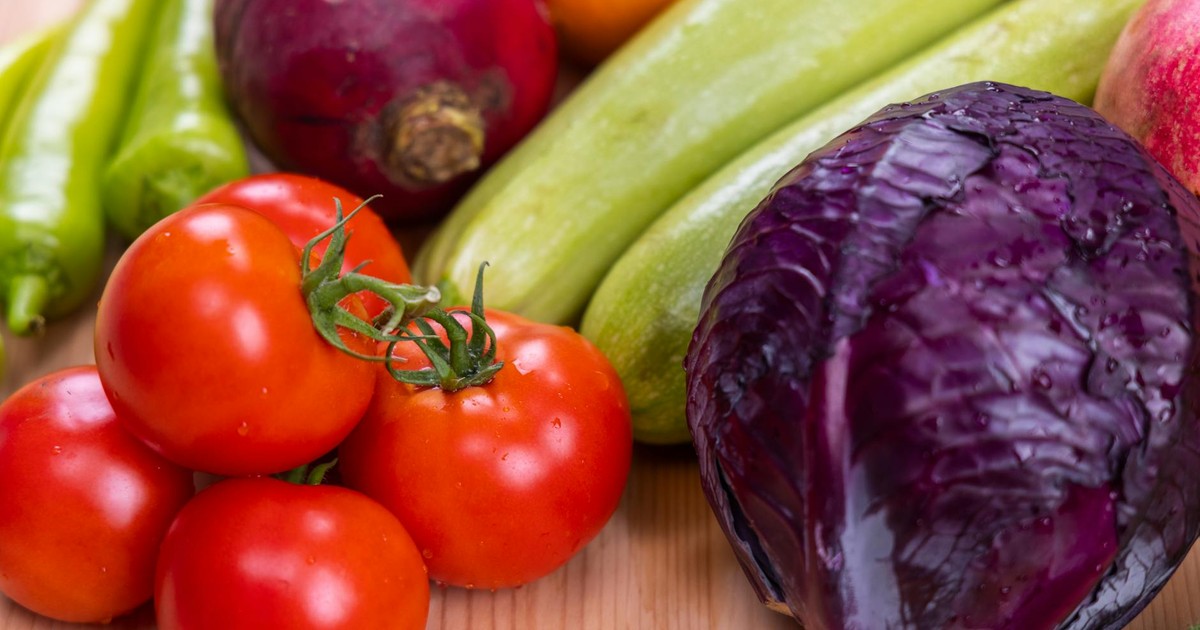
So, what foods are included? Alkaline-promoting options typically encompass non-starchy vegetables like broccoli, beets, and leafy greens; fruits such as apples, cherries, and avocados; nuts and seeds like chestnuts and pumpkin seeds; and legumes including kidney beans and tofu. On the other hand, acidic foods to avoid consist of meat, cheese, eggs, most grains, and processed items. Neutral foods like milk and natural fats are often limited. This approach means the diet is mostly vegetarian or vegan, which can align with certain dietary preferences or allergies, such as avoiding gluten, dairy, or common allergens like peanuts and shellfish.
Despite the lack of evidence for pH alteration, the alkaline diet does encourage healthy habits. It emphasizes fresh, nutrient-dense foods and discourages added sugars and junk foods. Zelman notes, “The diet advocates for fruits, vegetables, nuts, and legumes, as well as whole and unprocessed foods, and that’s the basis of a healthy diet.” This focus can help reduce intake of sugar, saturated fat, and sodium, potentially benefiting individuals with conditions like heart disease or diabetes.
However, the diet comes with significant drawbacks. Its restrictiveness makes it challenging to maintain long-term. Many favorite foods, including lean meats, low-fat dairy, bread, and sweets, are off-limits. Alcohol and caffeine are also prohibited. This can lead to difficulties when eating out or managing a busy schedule, requiring more grocery trips and home cooking. Zelman warns that such limitations may cause a yo-yo effect in weight loss, where initial pounds shed are quickly regained once normal eating resumes.
From a nutritional standpoint, the alkaline diet has gaps. It excludes important sources of protein, calcium, and other nutrients found in animal products, eggs, and whole grains. Zelman cautions against it for children, as eliminating these foods can impact growth and development. She also advises against it for individuals with cancer, kidney disease, osteoporosis, or disordered eating histories, due to potential nutritional deficiencies and the promotion of “good versus bad” food categorization.
Another notable absence is exercise. The diet plan doesn’t include physical activity recommendations, yet organizations like the American Heart Association and CDC advise at least 150 minutes of weekly exercise for overall health. Zelman emphasizes, “It’s not just about what you eat. You have to get regular physical activity, too.”
When it comes to weight loss, results from the alkaline diet are often temporary. Zelman explains, “When you start eliminating so many foods – sugar and alcohol and processed food – and most of your foods are fruits, vegetables, and lots of water, you’ll lose weight. But it’s not sustainable.” She stresses that a balanced diet should include satisfying elements like protein and healthy fats to prevent hunger and support long-term adherence.
Research on the alkaline diet’s ability to combat diseases like cancer is limited, and Zelman doesn’t recommend it for such conditions. Instead, she suggests building on its foundations by incorporating eggs, dairy, whole grains, and protein into a plant-based, unprocessed eating pattern. This approach can offer benefits without the risks of nutritional gaps.
For those curious about trying alkaline-friendly meals, simple recipes can provide inspiration. A breakfast alkaline green smoothie might blend almond milk, watermelon, strawberries, banana, spinach, chia seeds, and ice. Lunch could feature an alkaline salad with cucumber, watermelon, raspberries, avocado, broccoli, papaya, almonds, and kale, dressed with a vinaigrette of Dijon mustard, garlic, apple cider vinegar, lemon juice, and honey. Dinner might involve a quinoa mushroom bowl seasoned with herbs and lime.
Ultimately, the alkaline diet’s benefits don’t outweigh its shortcomings, according to Zelman. “There are too many deficiencies and too many risks. It’s not sustainable, and there’s no evidence that it’s going to be healthful,” she says. She advocates for a flexible, evidence-based approach: “The best diet is the one you can stick with, so you need to find a plan that works for you, works for your lifestyle, but is also based on evidence.” In her view, all foods can fit in moderation, with 80% of the diet focused on nutritious choices and room for occasional indulgences.
Before making any dietary changes, it’s crucial to consult with a healthcare provider, especially if you have underlying health issues. While the alkaline diet promotes some healthy habits, its restrictive nature and unproven claims make it a challenging long-term solution. Embracing a balanced, varied diet that includes a wide range of foods may be a more sustainable path to wellness.