
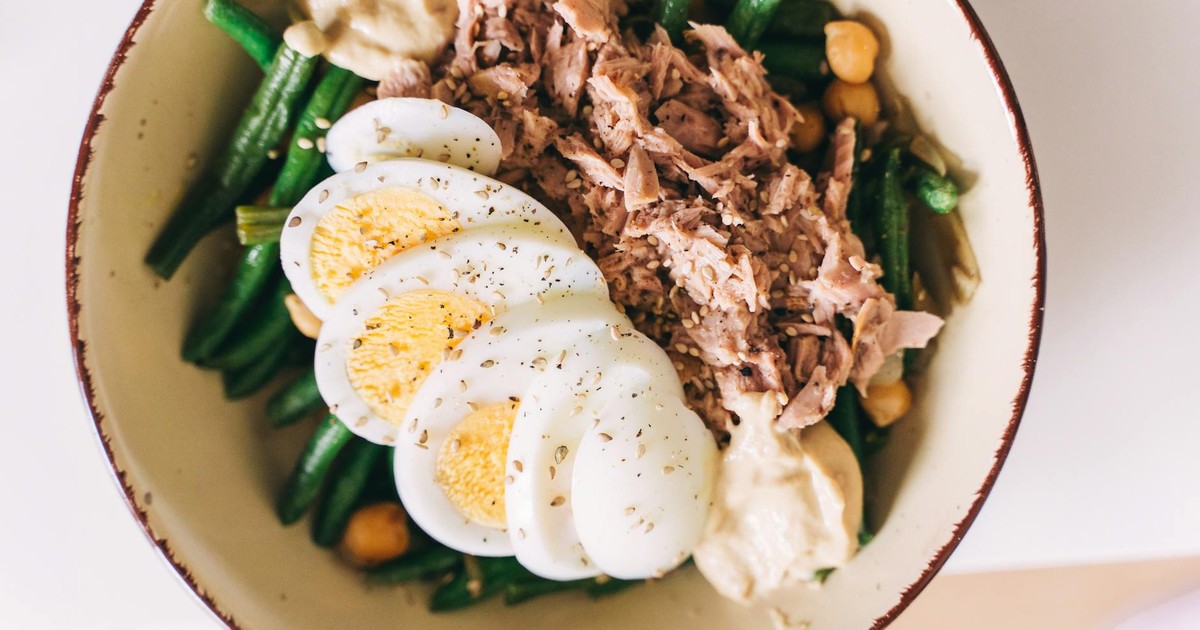
In today’s wellness landscape, the Paleo diet stands out as an eating plan that draws inspiration from our distant past. Developed by Loren Cordain, PhD, an emeritus professor at Colorado State University, this approach focuses on foods believed to have been consumed during the Paleolithic era, which spanned from about 2.5 million to 10,000 years ago. By emphasizing whole, unprocessed items like fruits, vegetables, seeds, nuts, lean meat, fish, and healthy fats such as olive oil, proponents argue it can help reduce risks of obesity, heart disease, and diabetes. However, as with any dietary trend, it’s essential to look beyond the surface and understand both its mechanisms and caveats.
At its core, the Paleo diet operates on the principle that modern humans haven’t fully adapted to foods introduced by farming and processing. This leads to key guidelines: prioritizing whole, unprocessed foods; avoiding processed items like grains, legumes, dairy, and refined sugars; and focusing on nutrient-dense choices rich in vitamins, minerals, and antioxidants. While the diet can be restrictive, Cordain’s book suggests an 85/15 split—adhering to Paleo principles 85% of the time—offering flexibility that makes it more sustainable for many people.
Getting started with the Paleo diet is straightforward, requiring no special equipment or calorie counting. Instead, it encourages eating until full and shopping for fresh ingredients at local stores. For beginners, easing in with a flexible approach—where some meals are strictly Paleo and others aren’t—can help. The official website outlines four levels, from entry-level with 50% Paleo meals to top-level with 100%, allowing individuals to progress at their own pace.
When it comes to food choices, the Paleo diet includes leafy vegetables, fresh fruit, seafood, grass-fed meat, root vegetables like sweet potatoes, free-range poultry and eggs, nuts and seeds, and healthy oils. Items allowed in moderation include natural sweeteners like honey, coffee, beer, wine, and baking substitutes such as almond flour. On the avoid list are grains, dairy, legumes, processed foods, refined vegetable oils, and added sugars or salt.
Comparing the Paleo diet to others, like keto, highlights distinct differences. While Paleo centers on whole foods minus dairy, grains, and legumes, keto drastically limits carbohydrates to promote fat burning, often excluding high-carb fruits and vegetables. This contrast underscores the importance of choosing a plan aligned with personal health goals.
Benefits of the Paleo diet may include weight loss, as it cuts out calorie-dense processed foods and emphasizes filling high-protein and fiber-rich options. A 2022 Spanish study linked it to a lower heart disease risk, likely due to its focus on fruits and vegetables and avoidance of processed items. Additionally, its flexibility allows for occasional non-Paleo meals, and it requires no in-person meetings, with online support available.
However, risks are worth noting. The diet’s emphasis on meat, particularly red meat, can increase saturated fat intake, potentially raising heart disease and diabetes risks. It excludes whole grains and legumes, which provide essential fiber and nutrients, and omits dairy, a key source of calcium. Cost can be a barrier, as fresh foods tend to be pricier than canned or frozen alternatives, and meal planning demands more time and frequent shopping. Vegetarians and vegans may find it challenging due to its meat focus and exclusion of plant-based proteins. Moreover, research is limited, with most studies being small and short-term, leaving long-term effects unclear.
Expert insights from registered dietitian nutritionist Kathleen Zelman, MPH, RD, LD, offer a balanced perspective. She notes that while weight loss is possible, it may be temporary or involve water loss rather than fat reduction. The diet’s restrictiveness and cost could hinder long-term adherence. For conditions like high blood pressure, its low-sodium approach may help, and it might improve insulin sensitivity in prediabetes or diabetes, though more research is needed. Zelman cautions against it for those with heart disease due to saturated fats, individuals prone to constipation from lack of fiber, and children with high nutritional needs.
In summary, the Paleo diet can support short-term weight loss and heart health if you’re willing to invest in whole foods and kitchen time. To address nutrient gaps, a multivitamin might help, but Zelman emphasizes that supplements can’t fully replace whole foods. For a more flexible, plant-forward alternative, she recommends the Mediterranean diet or a modified Paleo version with more fruits, vegetables, whole grains, and lean meats. Ultimately, as Zelman says, “The best diet for you is the one that you can stick with.” Consulting a registered dietitian nutritionist is crucial to tailor the plan to your health needs and prevent deficiencies.
For those curious about meal ideas, sample menus include options like almond chicken salad, grilled turkey breast with steamed vegetables, and bison burgers with lettuce buns. Breakfast ideas range from banana pancakes to smoothies, though the diet isn’t vegetarian-friendly. Recipes, such as a mango and carrot smoothie or chicken and green chile soup, can be found on the official website and other sources.
Common questions clarify that weight loss is possible by avoiding calorie-dense processed foods, peanut butter isn’t allowed due to peanuts being legumes, rice is excluded as a grain, and unprocessed potatoes are fine. While all fruits are permitted, those high in sugar might be limited for weight management, and the diet is considered anti-inflammatory. Carbohydrates come from fruits, vegetables, nuts, and seeds.
By understanding the Paleo diet’s foundations and consulting with professionals, you can make an informed choice about whether this ancestral approach fits your wellness journey.