
Muscular strength plays a vital role in overall wellness, offering benefits that extend beyond physical health to boost confidence and mental well-being. Strength training involves challenging your muscles with resistance, which can come from free weights, machines, bands, or simply your own body weight. For those new to fitness or without access to gym equipment, starting at home is entirely feasible with minimal tools—just a sturdy chair, a nonslip surface, and a tennis ball. This approach builds endurance, allowing muscles to work harder without excessive fatigue afterward.
Let’s explore some foundational exercises you can incorporate into your routine. Squats are a classic move that targets the buttocks, hips, calves, and thighs. To perform a chair-assisted squat, stand in front of a chair with your back toward it and your feet slightly wider than shoulder-width apart. Lower yourself into an almost-seated position, keeping your weight in your heels and leaning slightly forward from the waist. Count to four on the descent, pause, then slowly stand up. Aim for 12-15 repetitions per set.
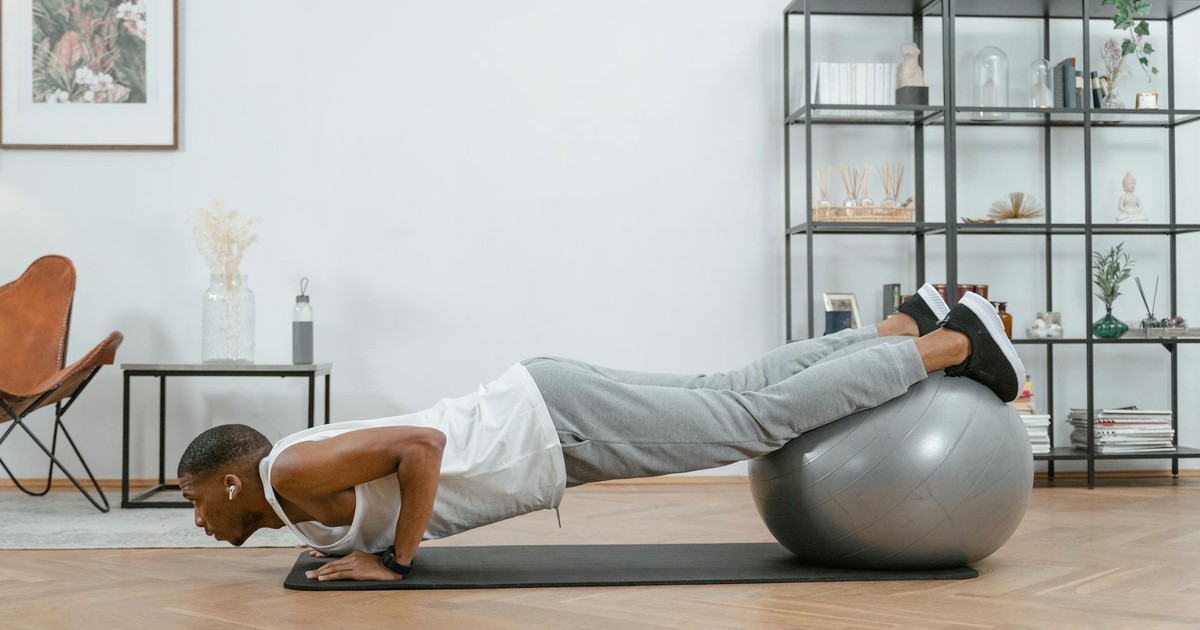
Wall push-ups offer a beginner-friendly alternative to traditional floor push-ups, working the chest, arms, and shoulders. Stand a little more than an arm’s length from a wall, place your palms flat against it at shoulder width and height, and slowly lower your chest to the wall while keeping your back straight. Move toward the wall for a count of four, then push back to the starting position. Repeat 12-15 times for one set.
Toe stands strengthen the ankles and calves and can be done anywhere. Face the back of a chair with feet shoulder-width apart, hold onto it for balance, and slowly lift yourself up on your toes, then lower for a count of four. Pause and repeat 12-15 times per set.
Gripping exercises enhance hand and grip strength. Using a tennis ball, hold it in your hand and slowly squeeze as hard as possible, then release. Repeat 12-15 times with each hand for one set.
Planks, also known as “planking,” focus on core and lower back strength. Lie on your stomach with forearms on the floor, elbows aligned under shoulders. Flex your feet, use your toes to push your legs off the floor, tighten your abdominal muscles, and lift your body to hover over the floor. Hold the position as long as possible, timing yourself to track progress. For an easier version, perform this on your knees.
The benefits of strength training are extensive. It can enhance balance, support healthy weight management, and improve range of motion. Additionally, it may boost confidence, help lower mild depression, and maintain healthy blood sugar and cholesterol levels. Everyday activities often feel easier, and the practice strengthens bones to reduce injury risk and alleviate joint discomfort.
Safety is paramount when starting any exercise program. Consult with a doctor to determine the appropriate activity level for you. Always warm up with a brisk 5- to 10-minute walk to prevent injuries from working cold muscles. Begin with a single set of 12-15 repetitions to avoid overexertion, and increase sets as endurance improves.
Proper technique is crucial to avoid injury. Consider seeking guidance from a professional trainer. Aim to work all major muscle groups at least twice weekly, starting with sessions as short as 20 minutes and gradually extending them as strength builds. Allow exercised muscles a full day of rest between sessions; you can alternate muscle groups to train daily over time. Progress slowly, as building muscle and endurance takes time, but the physical and mental rewards are worth it. Don’t forget to stretch your muscles thoroughly after each workout to aid recovery and flexibility.