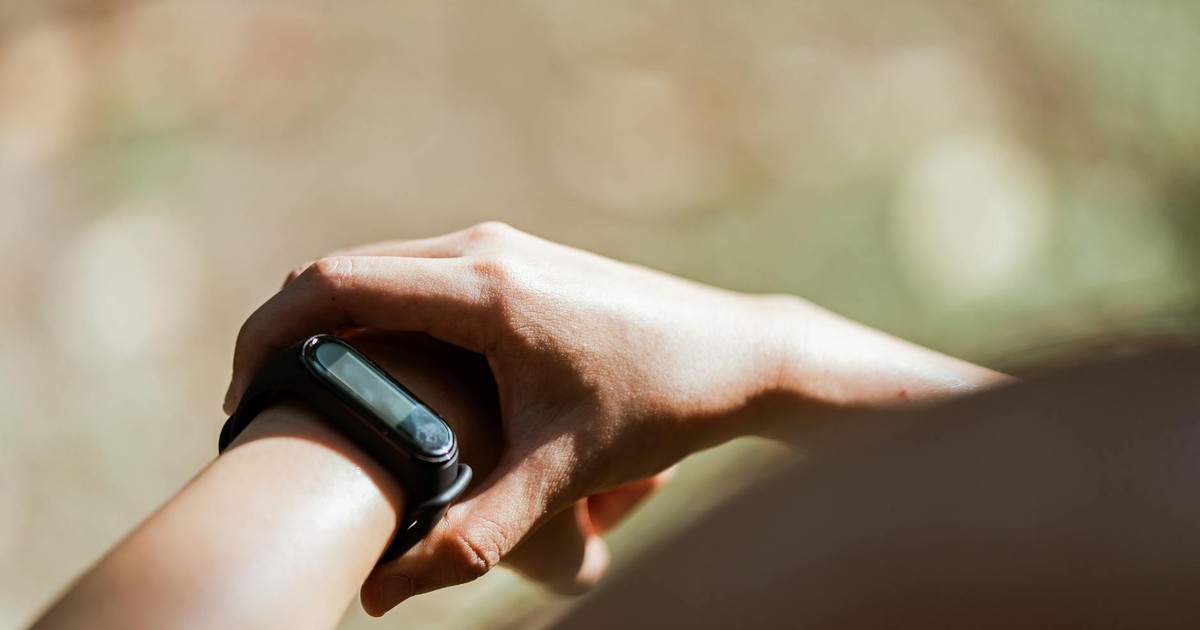
Imagine a device that combines the precision of a pedometer with the intelligence of a computer and the encouragement of a personal coach. That’s the essence of a modern fitness tracker. These innovative gadgets are equipped with sensors that gather detailed information about your body—such as heart rate—and your daily activities, including steps taken and calories burned. They also monitor sleep patterns and other health metrics. By providing this data, fitness trackers empower you to make informed decisions, from intensifying your exercise routines to finding the motivation needed for weight management. With so many options available, selecting the right one can feel overwhelming. Let’s break down the key features to help you find your perfect match.
Start by considering your primary fitness goals. Each tracker offers a unique combination of features tailored to different activities and health objectives. For instance, if walking or running is your main form of exercise, a step counter is essential. Most devices display your step count and convert it into miles, but for greater accuracy, look for models that ask for your footstep length or cadence. This ensures the data reflects your actual movement more precisely.
Calorie tracking is another common feature, but not all devices handle it the same way. Using your weight and gender, fitness trackers estimate the calories you burn throughout the day. Some focus solely on exercise-related calories, while others account for all activities, like household chores and even sleep. To get the most reliable results, opt for devices that request your weight and gender details during setup.
Sleep tracking has gained popularity for its insights into rest quality. While these devices aren’t precise enough to diagnose sleep disorders, they offer valuable indicators of how much time you spend asleep versus tossing and turning. Built-in reports can help you identify patterns, which is crucial because adequate sleep supports weight loss. Research suggests that insufficient sleep may slow metabolism and increase appetite, potentially raising risks for obesity, type 2 diabetes, and heart issues. Prioritizing sleep with the help of a tracker can be a proactive step toward better health.
For those looking to maximize workout efficiency, a heart rate monitor is a game-changer. It gauges exercise intensity in real time, helping you know when to push harder or ease up for recovery. Some advanced models even measure body temperature and sweat levels to assess exertion. If you have heart conditions or take certain blood pressure medications, consult your doctor to ensure monitoring your heart rate during exercise is safe and effective for you.
Outdoor enthusiasts might appreciate features like a stair counter with an altimeter, which tracks flights of stairs or hills climbed. This provides a more accurate reading of effort and calories burned during hikes or climbs. Similarly, built-in GPS is invaluable for activities like biking, where standard accelerometers may fall short. GPS estimates your speed and maps your route, offering detailed feedback on your performance.
Water resistance is another factor to consider. Some trackers are water-resistant for showering but not swimming, while specialized devices like swimming watches are fully waterproof. These can time laps, count strokes, and calculate speed and distance, making them ideal for swimmers or triathletes who need multi-sport tracking.
How you access your data is just as important as the data itself. Look for devices with wireless sync technology for on-the-go updates, as others may require plugging into a smartphone or computer. On-device displays offer instant feedback, but if you need to sync to a phone or computer, consider convenience—Bluetooth-enabled devices simplify this process, while others might interrupt your workout flow.
Beyond features, think about practical aspects like size and comfort. Trackers come in various forms, from clips for waistbands or bras to watch-style wearables. Choose a design that feels comfortable and suits your lifestyle. Compatibility is key, too; ensure the device works with your smartphone or computer and syncs with apps like Lose It! or My Fitness Pal for comprehensive health tracking.
Social features can add motivation by allowing you to connect with friends who use the same device, similar to social media platforms. You can share step counts and compete, all while controlling privacy settings to share only what you’re comfortable with. Some trackers even offer extras like caller ID or text messaging capabilities.
Cost is a final consideration, with prices ranging from $30 to over $200. Be mindful of hidden expenses, such as monthly subscriptions for accessing detailed data on associated websites. By weighing these factors—features, data access, comfort, compatibility, social options, and cost—you can find a fitness tracker that not only meets your needs but also inspires you to achieve your wellness goals.