We’ve all felt that pang of envy watching someone effortlessly maintain their weight while indulging freely. But when it comes to shedding pounds, the science points to a more productive focus: understanding how our bodies store and use energy. Weight gain fundamentally occurs when we consume more calories than we expend. Dietary fat breaks down into fatty acids that circulate in the bloodstream, ready to fuel our cells. Any excess gets packaged as triglycerides and stored in fat cells, which have a remarkable, almost unlimited capacity for expansion—often settling in areas like the hips or abdomen.
While genetics and environment play roles, the effort required to burn calories is substantial; for instance, offsetting a 500-calorie fast-food burger demands about an hour of running. Historically, this fat storage was a survival boon for our ancestors on the Serengeti, who relied on stored energy between infrequent meals. Today, however, managing hunger is key, and a high-protein diet offers a powerful tool to tame appetite and support weight loss.
By increasing protein intake, you can enhance feelings of fullness, which may naturally lead to reduced calorie consumption. For best results, start by gradually adding extra protein to your meals over a week, focusing on nutritious sources. It’s crucial to consult a doctor before making significant dietary changes, especially if you have underlying health conditions. High-protein diets are generally safe only for short periods; long-term use can pose risks, and any weight loss may not last if you revert to unhealthy eating habits. The most effective plan is one you can sustain over time, so discuss with a healthcare provider about adjustments that promote both health and manageable weight loss.
Top Protein Picks for Nutrient-Rich Weight Loss
When boosting protein, prioritize sources that are low in saturated fat and calories while rich in nutrients. Lean meats—defined as having less than 10 grams of fat, 4.5 grams or less of saturated fat, and under 95 milligrams of cholesterol per 100 grams—are excellent choices. Examples include skinless chicken, skinless turkey, and lean cuts of red meat like beef or pork labeled loin or round. Avoid processed meats to minimize health risks.
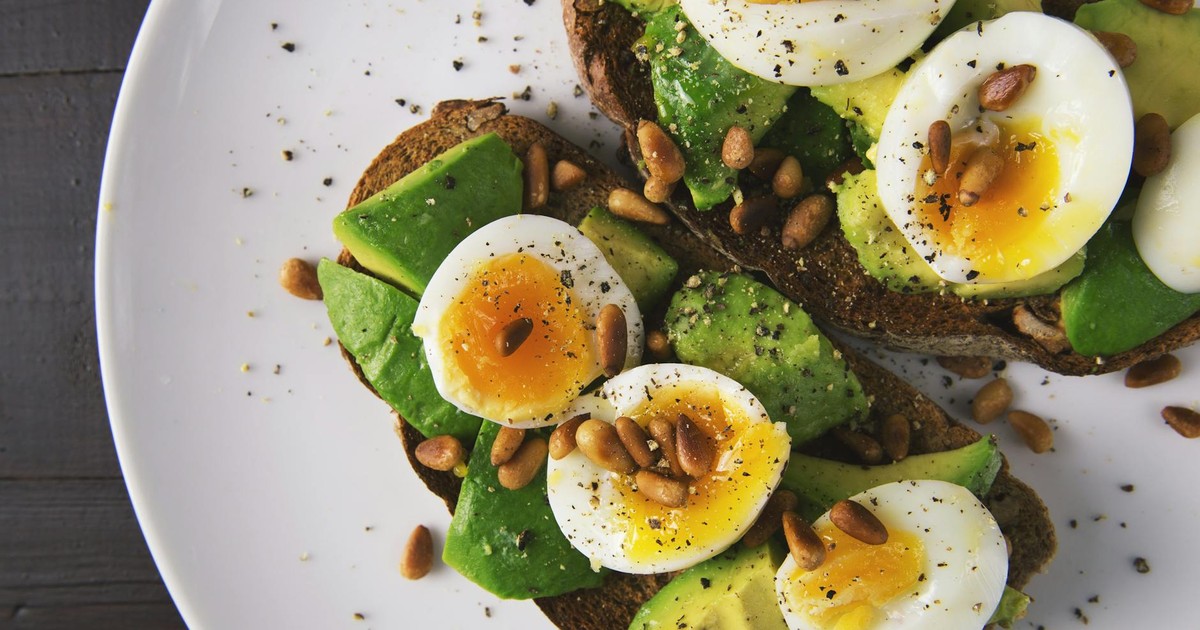
Diversify your protein intake with other healthy options: seafood, beans, soy products such as tofu and tempeh, low-fat dairy, eggs, and nuts or seeds. For instance, salmon provides omega-3 fatty acids, beans and lentils offer fiber alongside protein, and walnuts or almonds can add crunch and nutrients to salads or oatmeal. To gauge your intake, here are protein grams in common servings: 3 ounces of skinless chicken breast has 26 grams, 3 ounces of fish fillet ranges from 17 to 20 grams, 1/2 cup of low-fat cottage cheese contains 12.4 grams, and a large egg offers 6 grams.
Balancing Your Plate: Carbs and Fats for Sustained Energy
While emphasizing protein, don’t neglect carbohydrates and fats. Opt for wholesome carbs like fruits, vegetables, whole grains, beans, legumes, and low-fat milk or yogurt—many of which also contribute protein. Incorporate healthy fats from nuts, natural nut butters, seeds, olives, extra virgin olive oil, canola oil, fish, and avocados. To better manage appetite, consider splitting your daily calories into four or five smaller meals or snacks, which can help stabilize energy levels and prevent overeating.
Safety First: Navigating the Risks of High-Protein Diets
For generally healthy individuals, a high-protein diet is typically safe in the short term. However, prolonged adherence can lead to health issues, making it essential to consult a healthcare provider before starting any weight-loss regimen, particularly if you take medications or have conditions like kidney disease or diabetes. Research into low-carb, high-protein diets highlights potential long-term risks: they may cause nutrient deficiencies, leading to symptoms like bad breath, headaches, and constipation. Additionally, consuming non-lean meats high in saturated fat can increase heart disease risk and elevate LDL (“bad”) cholesterol. Protein metabolism produces waste products that may strain kidney function over time, worsening renal health.
Your Protein Questions Answered
What is the 90-30-50 method? This diet plan involves consuming 90 grams of protein, 30 grams of fiber, and 50 grams of healthy fats daily. It’s often promoted for weight loss and overall health benefits, emphasizing balanced macronutrient intake.
Can I lose belly fat by eating protein? Possibly. Increasing protein while reducing calories may help decrease harmful fat accumulation, especially around the abdomen. Another advantage is preserving muscle mass during weight loss, as protein supports muscle building and maintenance.
How can I get 70 grams of protein a day? Aim to include protein-rich foods in every meal and snack. Strategies include adding protein powder to drinks or meals, and selecting high-protein options like lean meats, seafood, eggs, low-fat dairy, legumes, and nuts. Monitoring portions, such as incorporating 3 ounces of chicken or a serving of lentils, can help you reach this goal sustainably.