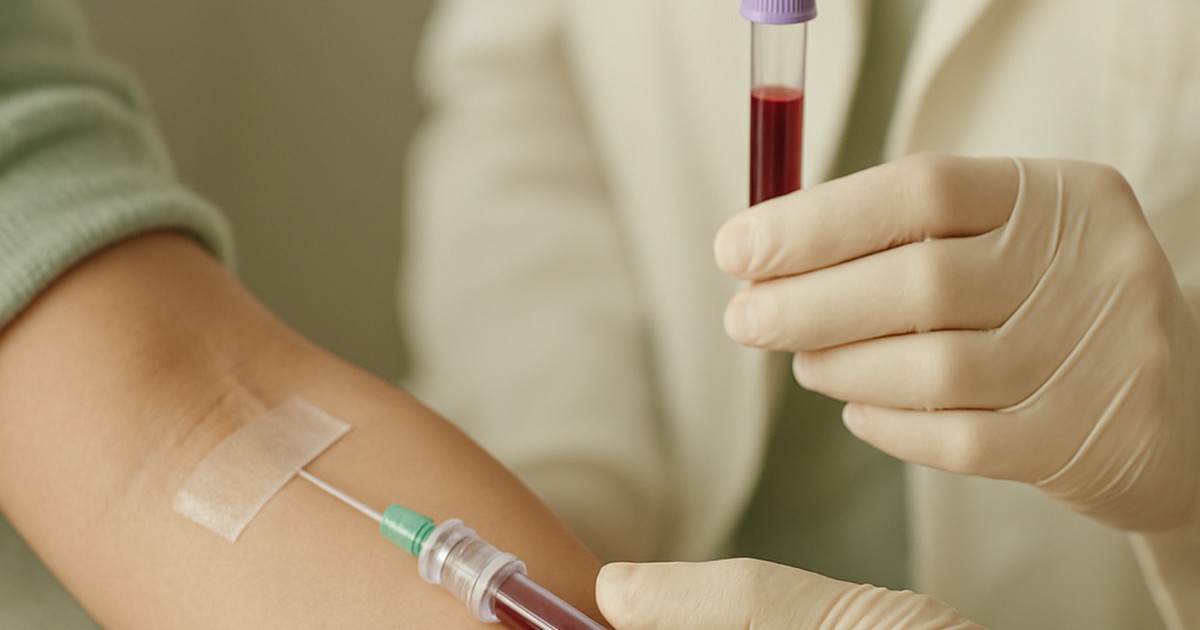

In a significant breakthrough for the field of preventive care, researchers at the University of California, Los Angeles (UCLA) have identified an enzyme that could dramatically alter the landscape of treatment for non-alcoholic fatty liver disease (NAFLD). This condition, which is currently impacting approximately one in four adults worldwide, has evaded effective pharmacological treatment until now. The newly identified enzyme, ACMSD, has been shown to regulate critical metabolic pathways in the liver, determining whether excess fat is stored or metabolized for energy. With this discovery, the UCLA research team is setting a new course toward developing a pharmaceutical intervention that could change the standard of care for millions suffering from this prevalent liver condition.
Context
Non-alcoholic fatty liver disease is a global health issue characterized by the excessive accumulation of fat in liver cells. Unlike alcoholic liver disease, NAFLD occurs in individuals who consume little to no alcohol and is closely associated with metabolic syndrome, obesity, and type 2 diabetes. As obesity rates soar worldwide, the prevalence of NAFLD has mirrored this trend, leading to increased cases of more severe liver conditions such as cirrhosis and liver cancer. The current treatment regimen has predominantly focused on lifestyle modifications such as diet and exercise, as there are no approved medications specifically targeting NAFLD.
The discovery of the role of ACMSD in liver metabolism could mark a pivotal shift in how this disease is managed. Historically, research on NAFLD has been hampered by a lack of understanding of the precise mechanisms that lead to fat accumulation in the liver. This gap in knowledge has been a significant barrier to drug development, leaving millions of patients with few effective options. The UCLA study, spearheaded by Dr. Emily Tran and her team, represents one of the most promising advances in recent years by identifying a specific biological pathway that could be targeted therapeutically.
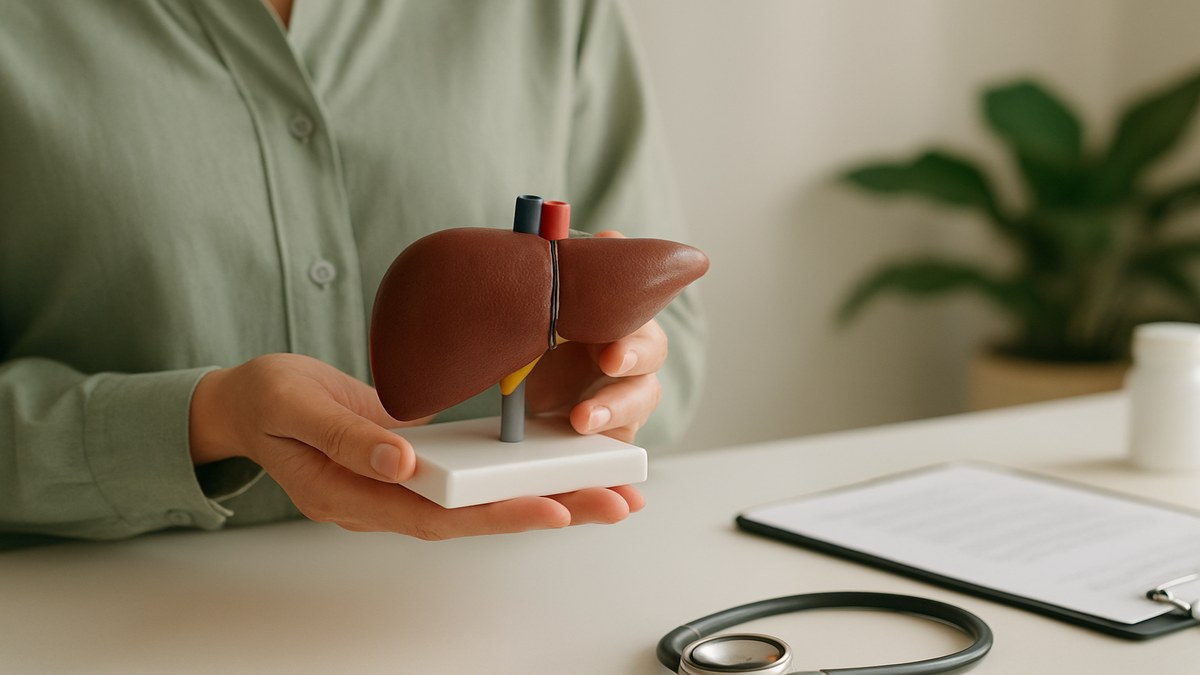
This week, the significance of these findings is underscored by the researchers’ commitment to rapidly transitioning from discovery to practical application. Dr. Tran’s team is currently engaged in screening small-molecule compounds that could enhance ACMSD activity. This effort aims to develop a new class of drugs for NAFLD, with the goal of entering Phase 1 clinical trials within the next two years. The urgency is driven by the increasing prevalence of NAFLD and its severe consequences, including its role as a leading cause of liver transplants.
What Happened
The groundbreaking study conducted by UCLA revealed that the enzyme ACMSD plays a crucial role in liver fat metabolism. In their experiments, researchers observed that mice with a deficiency in ACMSD experienced a rapid accumulation of fat within liver cells, even when consuming a normal diet. This finding was starkly contrasted by mice in which ACMSD was overexpressed; these mice demonstrated a remarkable 45% improvement in fat clearance, even when subjected to a high-fat diet. These results highlight the enzyme’s potential as a key regulator of fat metabolism and a promising target for therapeutic intervention.
Dr. Tran, the lead researcher, noted the transformative potential of this discovery. “The identification of ACMSD as a critical player in fat metabolism opens new avenues for the development of targeted therapies,” she stated. “By focusing on enhancing the activity of ACMSD, we may be able to prevent the progression of NAFLD and reduce the risk of its more severe complications.” This sentiment is echoed by experts in the field who have long sought a biological target to address the metabolic imbalances seen in NAFLD. The study, published in the journal Nature Metabolism, has garnered significant attention from the medical community and funding agencies eager to support further development.

The next phase for the UCLA team involves high-throughput screening of small-molecule compounds that could potentially activate or enhance ACMSD function. This screening process is a critical step toward identifying candidate compounds for clinical trials. The research team aims to initiate Phase 1 clinical trials within 24 months, a timeline that reflects both the urgency of addressing NAFLD and the promising nature of the initial findings. The rapid progression from discovery to potential treatment highlights the innovation and dedication of the UCLA research team.
Why It Matters
The implications of this discovery are profound. Non-alcoholic fatty liver disease, often referred to as a “silent” disease due to its asymptomatic nature in early stages, can lead to serious health issues if left untreated. The progression from NAFLD to more severe liver diseases such as non-alcoholic steatohepatitis (NASH), cirrhosis, and liver cancer is a significant public health concern. These conditions not only reduce quality of life but also pose substantial economic burdens due to healthcare costs and loss of productivity. The development of a drug that targets ACMSD could disrupt this progression and improve outcomes for millions of patients globally.
For healthcare providers, the ability to prescribe a medication that specifically addresses the metabolic dysregulation found in NAFLD would be revolutionary. It would provide an alternative to the current reliance on lifestyle interventions, which, while effective, can be difficult for many patients to maintain long-term. Additionally, a pharmacological treatment could help mitigate the stigma often associated with diseases linked to lifestyle factors, thereby encouraging more individuals to seek diagnosis and treatment.
Policy makers and public health officials are also taking note of this development. As healthcare systems worldwide grapple with the rising tide of obesity-related conditions, a breakthrough in NAFLD treatment could serve as a model for tackling other metabolic diseases. By investing in research and supporting the development of novel therapies, governments can help reduce the future healthcare burden and improve the overall well-being of their populations. The work at UCLA not only offers hope to those currently living with NAFLD but also sets a precedent for how targeted scientific research can lead to meaningful health advancements.
How We Approached This
In crafting this article, we relied heavily on the primary research findings published by the UCLA team as well as expert commentary from leaders in the field of hepatology. Our editorial team prioritized the voices of researchers directly involved in the study to provide readers with an accurate understanding of the scientific breakthrough and its potential implications. Given the complexity of metabolic pathways, we aimed to distill the information into accessible language without sacrificing scientific integrity.
We also chose to highlight the broader context of NAFLD as a growing global health concern. This decision was informed by our commitment to emphasizing preventive care and public health. By framing the UCLA discovery within the larger narrative of rising obesity rates and metabolic diseases, we hope to underscore the importance of continued research and innovation in addressing these challenges. Our goal is to keep readers informed about cutting-edge developments in wellness and preventive medicine, fostering a deeper understanding of how research can translate into tangible health benefits.
Frequently Asked Questions
What is non-alcoholic fatty liver disease?
Non-alcoholic fatty liver disease (NAFLD) is a condition characterized by the build-up of excess fat in the liver of individuals who consume little to no alcohol. It is associated with obesity, insulin resistance, and metabolic syndrome, and it can progress to more severe liver conditions if untreated. NAFLD is the most common liver disease globally, affecting about one in four adults.
How does the enzyme ACMSD affect liver function?
The enzyme ACMSD plays a crucial role in regulating fat metabolism within the liver. It influences whether the liver stores excess fat or breaks it down for energy. UCLA’s research showed that overexpression of ACMSD led to improved fat clearance in liver cells, suggesting it could be a key target for developing treatments for NAFLD.
What are the next steps in developing a treatment based on this research?
Following the discovery of ACMSD’s role in liver metabolism, the UCLA research team is screening small-molecule compounds to enhance its activity. These efforts aim to identify potential drugs for NAFLD, with plans to enter Phase 1 clinical trials within 24 months. Success in these trials could lead to an approved treatment for NAFLD, providing a much-needed pharmacological option for patients.
Looking ahead, the discovery of ACMSD’s role in liver metabolism represents a beacon of hope for millions affected by non-alcoholic fatty liver disease. As researchers continue to explore the therapeutic potential of ACMSD, the possibility of a targeted treatment that goes beyond lifestyle modifications grows ever closer. This breakthrough not only promises to transform the clinical approach to NAFLD but also highlights the power of scientific innovation in addressing some of the most pressing health challenges of our time. Stay tuned as Wellness Outlook continues to follow the advancements in this promising field, offering insights and updates as they unfold.