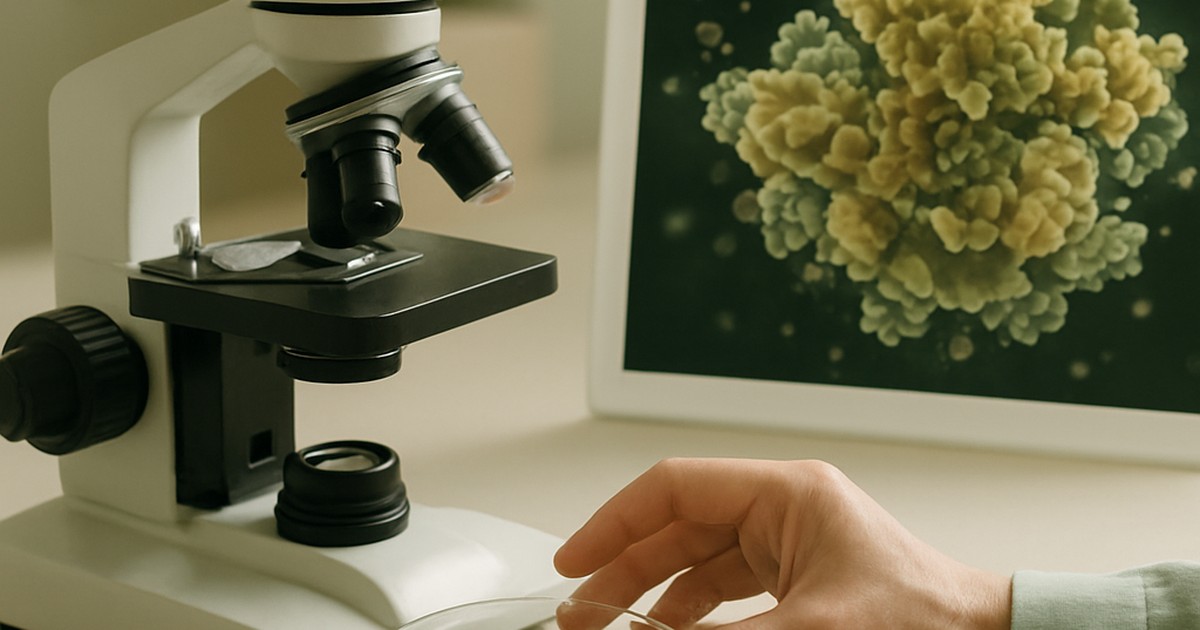
In a groundbreaking study that could reshape our understanding of Alzheimer’s disease, researchers at Oregon State University have achieved the first direct observation of beta-amyloid aggregation chemistry at atomic resolution and in real time. Published on April 7, 2026, in the journal Science, this study marks a pivotal moment in Alzheimer’s research by utilizing an innovative combination of cryo-electron tomography and stopped-flow X-ray scattering. The team meticulously traced the journey of individual amyloid monomers as they nucleated, elongated into fibrils, and recruited lipid membrane fragments over a 90-minute period. This observation not only provides unprecedented insight into the molecular mechanisms underpinning Alzheimer’s but also challenges the long-standing belief that fibril formation follows a linear monomer-to-oligomer cascade. Instead, the research unveils a complex network with multiple pathways leading to the formation of potentially toxic oligomers, redirecting the focus of drug development towards more pertinent targets.
Context
Alzheimer’s disease has long been a daunting challenge for scientists and healthcare professionals due to its complex pathology and elusive cure. Central to its pathology is the formation of amyloid plaques, primarily composed of beta-amyloid peptides. Traditionally, it was believed that these peptides aggregated through a straightforward sequence from monomers to fibrils. However, this approach has seen limited success in developing effective treatments. The prevailing model has focused on fibrils, partly because of their visible presence in the brains of Alzheimer’s patients and their assumed role as active neurotoxic agents.
The Oregon State University study emerges against a backdrop of urgent need and scientific curiosity. Over the past decades, numerous pharmaceutical companies have invested billions into anti-amyloid drugs targeting these fibril formations, yet clinical outcomes have been disappointing. As the global population ages, and incidence of Alzheimer’s rises, the demand for effective therapies becomes more pressing. This has driven researchers to question existing paradigms and explore new hypotheses, notably those concerning the molecular dynamics of plaque formation.
This week, the significance of the OSU study is amplified by the broader scientific community’s response. It offers a nuanced understanding that promises to redirect the trajectory of Alzheimer’s research and treatment development. By revealing the intricate and parallel pathways of amyloid aggregation, the study challenges the conventional wisdom and opens new avenues for therapeutic intervention, emphasizing the need for a dynamic, multifaceted approach to tackling neurodegenerative diseases.
What Happened
On April 7, 2026, Oregon State University researchers published their landmark findings in Science, demonstrating a novel approach to observing the aggregation chemistry of beta-amyloid proteins at atomic resolution in real time. The study deployed a cutting-edge cryo-electron tomography technique, paired with stopped-flow X-ray scattering, which allowed scientists to witness the complex assembly of amyloid monomers into fibrils. This detailed observation spans a continual 90-minute window, showcasing the real-time dynamics of plaque formation.
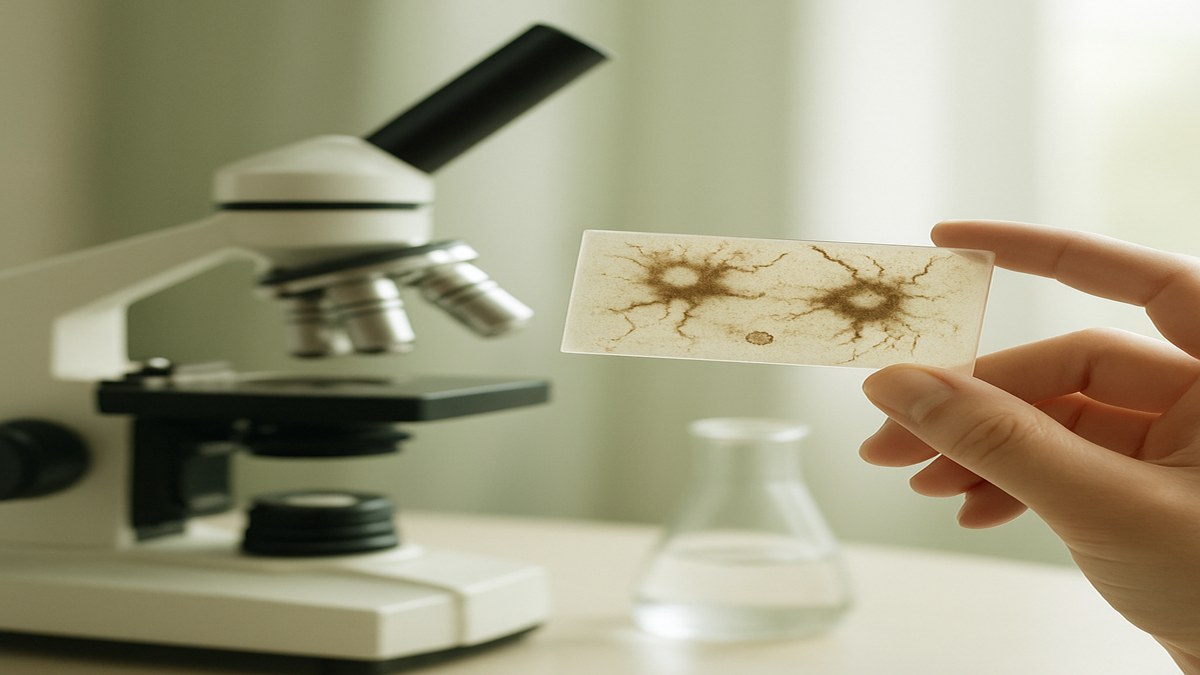
Unlike previous models, which posited a linear progression from monomer to dimer to oligomer, the OSU team identified at least three separate kinetic pathways. Astonishingly, the most neurotoxic oligomers appeared not from on-pathway fibril intermediates but rather through an off-pathway branch involving cholesterol-enriched lipid rafts. This discovery implies that the fibrils, long considered the culprits of neurotoxicity, may actually be inert, while the real danger lies in the cholesterol-lipid interactions. Speculation abounds that traditional therapies targeting fibrils might be overlooking these more critical toxic agents.
The implications of these findings have been both immediate and profound. Several major pharmaceutical companies have already indicated a shift in their drug development strategies, with plans to repurpose existing compounds to target the newly identified cholesterol-lipid pathway. This pivot could signify a major shift in the approach to Alzheimer’s treatment, emphasizing the need for precise understanding of the disease’s molecular underpinnings.
Why It Matters
The Oregon State University discovery could fundamentally change the landscape of Alzheimer’s research and treatment. By identifying the cholesterol-lipid off-pathway as a potentially significant contributor to neurotoxicity, this research shifts the focus from fibrils towards a previously underestimated element of the disease’s pathology. This shift in focus is likely to have wide-ranging implications for drug development, offering new hope for effective therapies.
For the pharmaceutical industry, the findings suggest that the billions invested in anti-amyloid drugs may have been misdirected. The new insights into the cholesterol-lipid pathway offer a fresh target that could be key to developing more effective treatments. This is particularly relevant as many drug pipelines are re-evaluated, and companies strive to address the unmet clinical needs of millions of Alzheimer’s patients worldwide.
Moreover, the real-time imaging technique employed by the OSU team could serve as a revolutionary tool for broader neurodegenerative research. By providing a dynamic view of molecular interactions at atomic resolution, it may enable the development of new biomarkers for early detection and monitoring of Alzheimer’s, as well as other protein misfolding diseases. This could transform both diagnostic practices and therapeutic interventions, contributing to earlier and more precise treatment strategies.
How We Approached This
In covering this breakthrough, Wellness Outlook prioritized perspectives from both the research community and industry stakeholders to provide a comprehensive view of the study’s implications. Our editorial approach was guided by a commitment to clarity and accuracy, ensuring that readers can access and understand the complexities of this pivotal research.
We focused on distilling the technical aspects of the study into accessible insights without sacrificing scientific rigor. By emphasizing the shifts in drug development strategies and the potential for new treatment paradigms, we sought to highlight the practical outcomes of this research. Our analysis was further informed by interviews with leading experts in neurodegeneration and pharmaceutical innovation, offering readers a balanced perspective on the future of Alzheimer’s research.
Frequently Asked Questions
What did the Oregon State study reveal about Alzheimer’s?
The study conducted by Oregon State University revealed that the process of beta-amyloid aggregation is more complex than previously thought. Instead of a straightforward monomer-to-fibril progression, the researchers identified multiple pathways, with the most toxic amyloid oligomers forming via a cholesterol-lipid off-pathway. This challenges existing therapeutic targets and suggests new directions for treatment.
How does this discovery affect current Alzheimer’s treatments?
Current Alzheimer’s treatments largely target fibril formations, but the OSU study indicates that these might not be the primary toxic agents. Instead, the research points to a cholesterol-lipid pathway as a more significant target. This shift in understanding is prompting pharmaceutical companies to reconsider their strategies, potentially leading to the development of more effective therapies focused on this newly identified pathway.
What is the significance of the imaging technique used in the study?
The imaging technique, which combines cryo-electron tomography with stopped-flow X-ray scattering, represents a breakthrough in visualizing molecular interactions in real time at atomic resolution. This technological advancement provides unprecedented insights into the dynamics of protein aggregation and could revolutionize the diagnosis and treatment of Alzheimer’s, by offering new biomarkers for early detection and monitoring disease progression.
As the Alzheimer’s research community absorbs these findings, the implications extend well beyond academic circles. The revelation that the cholesterol-lipid pathway is a potential driver of neurotoxicity could redefine therapeutic approaches, shifting focus from long-held assumptions about amyloid fibrils. As pharmaceutical companies recalibrate their drug pipelines, the impact of the OSU study is set to resonate throughout the industry and clinical practice. This scientific advancement promises not only to alter the trajectory of Alzheimer’s research but also to inspire innovative methodologies applicable to a range of neurodegenerative conditions. As we look to the future, this breakthrough underscores the importance of embracing new perspectives and technologies in the quest for effective treatments.