Senolytics, once a niche subject in the field of aging biology, have become a mainstream topic of interest in 2026. These compounds, which include fisetin and quercetin, are specifically designed to clear senescent cells, often called ‘zombie cells’ due to their ability to linger in the body without dividing or dying. These cells are notorious for releasing the senescence-associated secretory phenotype (SASP), a pro-inflammatory cocktail that contributes to systemic inflammation and various age-related conditions. With recent advancements, particularly in the application of fisetin and quercetin, senolytics have shown promise in improving biomarkers of health in older adults. This article delves into the mechanisms and impacts of these compounds, examining their role in current aging research, the implications for public health, and the cautionary stance of regulatory bodies regarding their use.
Context
Senescent cells, often termed ‘zombie cells’, have been a topic of growing concern in medical research due to their significant impact on aging and age-related diseases. These cells cease to divide but fail to undergo apoptosis, the natural process of cell death. Instead, they linger and emit inflammatory signals, which can lead to tissue damage and the progression of chronic diseases. This phenomenon has attracted the attention of researchers worldwide, seeking ways to mitigate the adverse effects associated with cellular senescence.
In recent years, the development of senolytics has advanced rapidly. These are compounds that selectively target and eliminate senescent cells, thereby reducing inflammation and improving tissue function. Fisetin and quercetin have emerged as leading candidates in this field, primarily due to their natural abundance in common foods such as strawberries, apples, and onions. The appeal of these compounds lies in their potential to not only extend lifespan but also improve healthspan, the period of life spent in good health, free from the chronic diseases of aging.

This year marks a significant leap forward as phase 2 clinical trials have begun to provide concrete evidence supporting the efficacy of senolytics. The trials are particularly focused on older populations, who stand to benefit the most from therapies targeting cellular senescence. As senolytics gain traction, their potential to revolutionize aging research and healthcare strategies is becoming increasingly apparent, prompting discussions about their role in future medical treatments and age-related wellness.
What Happened
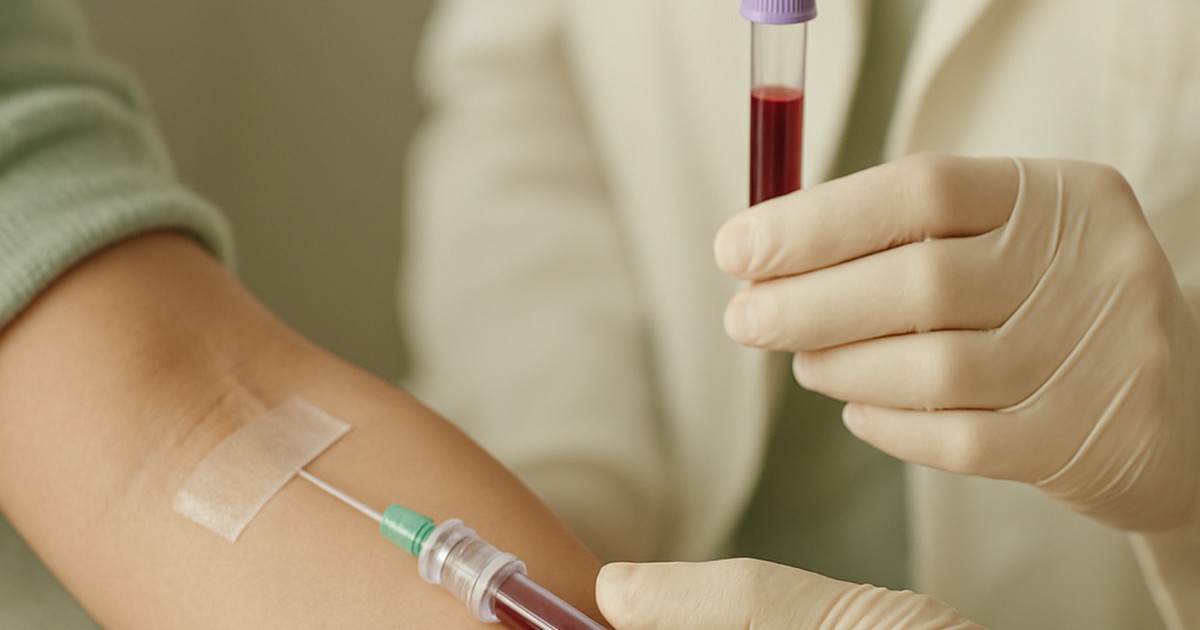
The latest phase 2 trials conducted this quarter have shown promising results for senolytics, particularly in the use of fisetin. Participants aged 65 and over were administered fisetin at a dosage of 20 mg/kg for two days each month. This intermittent dosing strategy is crucial as it aligns with the biological mechanism of senolytics, which work by inducing apoptosis in already-stressed senescent cells without causing harm to healthy cells. The trial results indicated meaningful improvements in various health biomarkers, including muscle strength, bone density, and kidney function, which are often compromised with age.
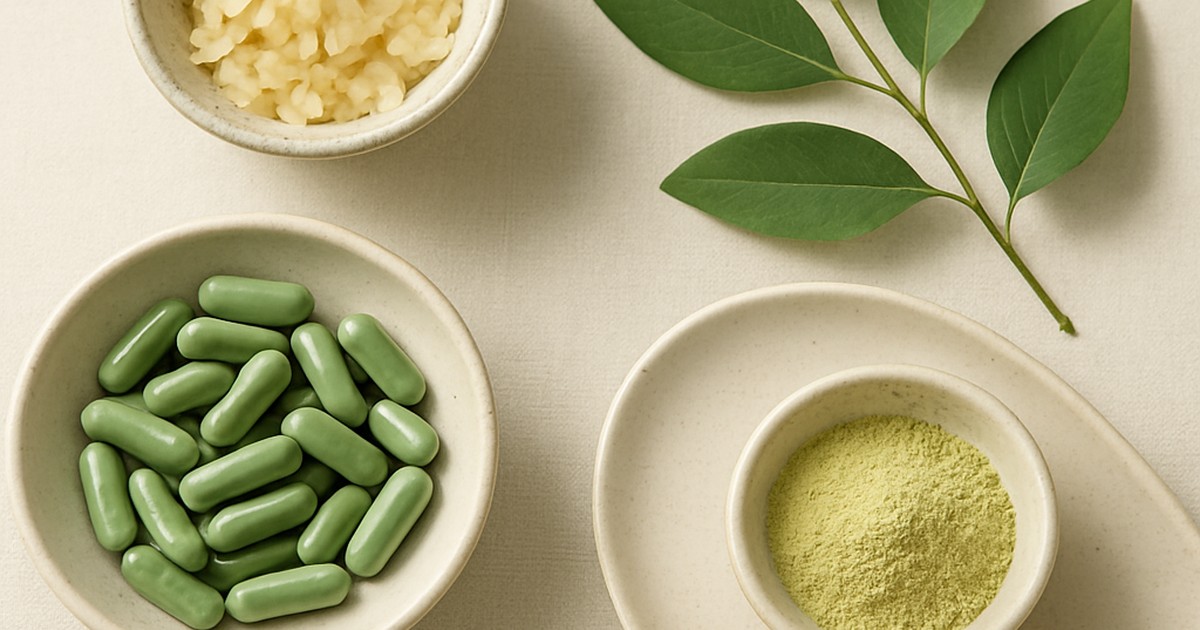
Fisetin, abundant in strawberries, and quercetin, found in apples and onions, have gained significant attention from both researchers and the public. As a result, supplement manufacturers have swiftly moved to introduce fisetin capsules to the market. However, this rapid commercialization has not been without controversy. The FDA has intervened, issuing cautionary letters to several companies accused of making unsupported claims about the longevity benefits of their products. This regulatory oversight underscores the importance of maintaining scientific integrity and ensuring that health claims are backed by robust evidence.

Researchers have emphasized that while fisetin and quercetin hold promise, it is critical to understand that therapeutic benefits are achieved at clinical doses, far exceeding what can be consumed through diet alone. This distinction is vital for consumers who might otherwise mistakenly believe that simply eating fisetin-rich foods like strawberries will provide the same benefits observed in clinical settings. The research community remains cautious, advocating for continued studies to fully understand the long-term effects and optimal usage of senolytics in humans.
Why It Matters
The mainstream acceptance of senolytics represents a potential paradigm shift in how society approaches aging and age-related diseases. By targeting the root causes of aging at the cellular level, senolytics could fundamentally alter the landscape of healthcare, focusing on prevention and maintenance of health rather than treating diseases after they develop. This shift could lead to significant improvements in the quality of life for older adults, reducing the prevalence of chronic conditions such as cardiovascular disease, diabetes, and osteoarthritis.
For the wellness and supplement industry, the rise of senolytics offers a new frontier of products and therapies. With fisetin and quercetin at the forefront, companies are eager to tap into the growing demand for anti-aging solutions. However, this also presents challenges. The industry must navigate regulatory landscapes carefully, ensuring that products are marketed responsibly and that claims are substantiated by scientific evidence. The FDA’s recent actions highlight the need for oversight to protect consumers from misleading information.
Furthermore, the implications of senolytics extend beyond individual health. They have the potential to impact public health systems by reducing the burden of age-related diseases, leading to decreased healthcare costs and improved resource allocation. As populations worldwide continue to age, the demand for effective, sustainable, and scientifically-backed solutions will only increase, positioning senolytics as a critical component of future aging strategies.
How We Approached This
In crafting this feature, Wellness Outlook consulted a range of peer-reviewed studies, expert interviews, and regulatory announcements to ensure a comprehensive understanding of the current landscape of senolytics. We prioritized evidence from the latest clinical trials and sought insights from leading researchers in the field of aging biology. This approach aligns with our commitment to providing well-rounded, factual content that empowers our readers to make informed decisions about their health and wellness.
Our editorial team focused on the transformative potential of senolytics while also highlighting the nuances of their application. We chose to emphasize the importance of scientific validation and regulatory oversight, particularly in light of the recent FDA actions. By doing so, we aim to foster a balanced perspective that acknowledges both the promise and the challenges associated with these emerging compounds.
Frequently Asked Questions
What are senescent cells?
Senescent cells, often called ‘zombie cells’, are cells that have stopped dividing but do not undergo apoptosis. Instead, they remain in the body and secrete inflammatory molecules known as the senescence-associated secretory phenotype (SASP). These cells contribute to aging and various age-related diseases by promoting chronic inflammation and tissue damage.
How do senolytics work?
Senolytics are compounds designed to selectively target and eliminate senescent cells. By inducing apoptosis in these cells, senolytics help reduce systemic inflammation and improve tissue function. They are typically administered in intermittent doses to minimize potential side effects and maximize therapeutic benefits, as seen in recent clinical trials with compounds like fisetin.
Can I get the benefits of fisetin and quercetin from foods?
While fisetin and quercetin are found in foods such as strawberries, apples, and onions, the amounts present in dietary sources are insufficient to achieve the therapeutic effects observed in clinical trials. The doses used in studies are much higher than those that can be obtained through regular consumption of these foods, highlighting the need for supplements to reach the necessary concentrations.
As senolytics continue to gain attention both in the scientific community and the supplement market, their potential to reshape how we approach aging and age-related diseases is becoming ever more apparent. Future research will likely focus on optimizing dosing strategies, understanding long-term effects, and expanding clinical applications. This could unlock new pathways for enhancing longevity and healthspan, ultimately transforming the lives of millions worldwide.