
Dietary fiber is a unique form of carbohydrate that our bodies cannot break down during digestion. While many people associate it primarily with relieving constipation, fiber offers a wide range of health benefits that extend far beyond digestive regularity. Broadly categorized into soluble and insoluble types, each with distinct mechanisms, fiber plays a crucial role in maintaining overall wellness. Understanding these differences can help you make informed choices to support your health goals.
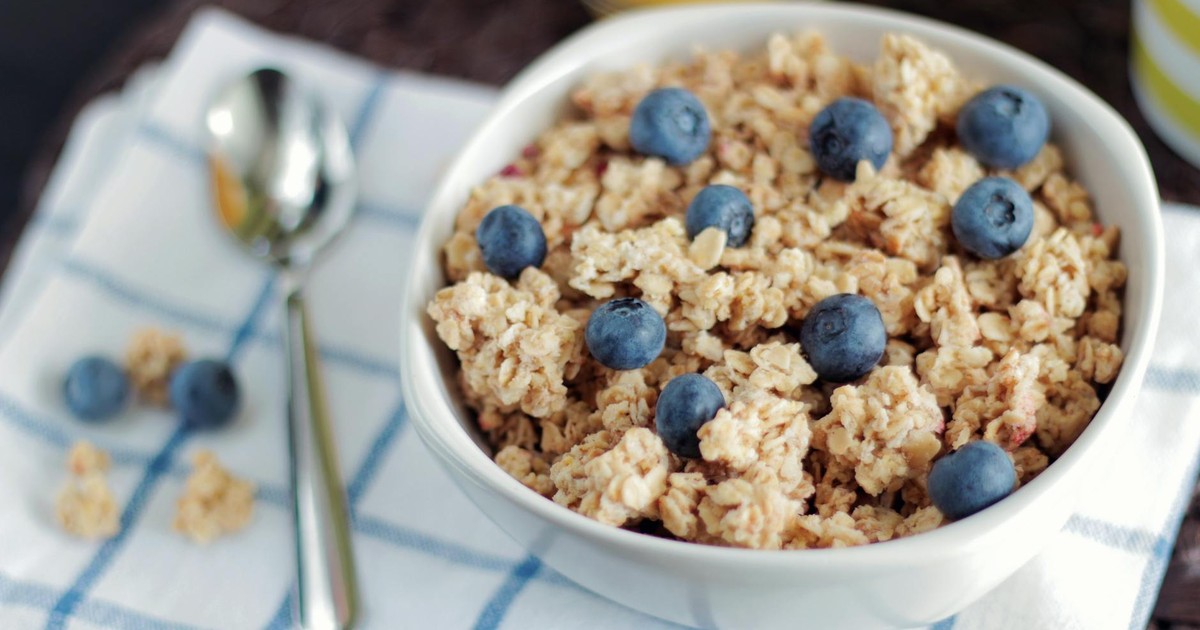
Soluble fiber dissolves in water to form a gel-like substance in the digestive tract. This process slows down digestion, which means sugar from food is absorbed more gradually. By preventing rapid spikes in blood glucose levels, soluble fiber is particularly beneficial for managing diabetes. Additionally, it binds with fatty acids, helping to flush LDL (bad) cholesterol from the body and reduce heart disease risk. Common sources include oatmeal, nuts, beans, apples, and blueberries.
In contrast, insoluble fiber does not dissolve in water. Instead, it adds bulk to stool and helps move waste through the intestines more efficiently, which can prevent constipation and promote regularity. You can find this type of fiber in the seeds and skins of fruits, whole wheat bread, brown rice, and leafy green vegetables like kale.
Key Health Benefits of Soluble Fiber
Soluble fiber offers multiple health advantages. For heart protection, it attaches to cholesterol particles in the digestive system and removes them, lowering overall cholesterol levels and reducing heart disease risk—oatmeal is especially noted for this effect. In diabetes management, because it isn’t well-absorbed, it helps avoid blood sugar spikes that can increase the risk of type 2 diabetes and heart disease, and it can aid in controlling existing diabetes. For weight loss, it promotes satiety without adding many calories, helping you maintain a healthy weight. It also supports healthy bowel movements by absorbing water to bulk up stool, guarding against both constipation and diarrhea; most fiber supplements are primarily composed of soluble fiber.
Key Health Benefits of Insoluble Fiber
Insoluble fiber also contributes significantly to wellness. Like soluble fiber, it aids in weight loss by increasing feelings of fullness. For digestive health, it helps keep you regular and can alleviate constipation, hemorrhoids, and fecal incontinence when added to the diet.
Understanding Prebiotic Fiber
Prebiotic fiber serves as food for the beneficial microorganisms in your gut. Since fiber is nondigestible, it travels to the colon intact, where microbes ferment it to produce short-chain fatty acids. These compounds nourish colon cells, aid in mucus production, and may protect against harmful substances. Prebiotics can also enhance calcium and phosphorus absorption to improve bone density, regulate bowel movements, boost immune defenses, and reduce allergy-related diseases. However, not all prebiotics perform every function, as different microbes prefer different types.
According to a study reported by the American Society for Nutrition, foods with the highest prebiotic content per gram include dandelion greens, Jerusalem artichokes, garlic, leeks, and onions. Other rich sources are onion rings, cowpeas, asparagus, and Kellogg’s All-Bran cereal.
Fiber Supplements: When Food Isn’t Enough
While nutritionists recommend obtaining fiber from whole foods like fruits, vegetables, nuts, beans, and grains for their additional health benefits, supplements can help if dietary intake is insufficient. “Functional” fiber is extracted from natural sources and added to supplements or fortified products. Common forms include powders, capsules, or gummies, with ingredients such as psyllium, inulin, wheat dextrin, acacia gum, calcium polycarbophil, flaxseed, methylcellulose, and arabinoxylan.
A study found that consuming too much inulin (30 grams) caused a spike in body inflammation for some individuals, though one participant reported decreased inflammation at this dose. This suggests that responses to fiber supplements can vary based on ingredients and amounts.
How Much Fiber Do You Need?
Only 5% of Americans meet the recommended daily fiber intake of around 30 grams, with the average person consuming only about half that amount. Research indicates that low income is linked to lower fiber intake. The U.S. Department of Agriculture and U.S. Department of Health and Human Services’ Dietary Guidelines for Americans, 2020-2025, provide specific nutritional goals to help individuals achieve adequate fiber consumption.
Potential Risks of Too Much Fiber
Although most people don’t get enough fiber, overconsumption—especially on vegan or raw food diets—can lead to issues like intestinal gas, abdominal bloating, and cramping. To avoid these symptoms, gradually increase fiber intake to allow your body to adjust.
Key Takeaways
Most Americans fall short on fiber, which is essential for regular bowel movements, weight control, cholesterol reduction, and blood sugar management. Incorporate a variety of fiber-rich foods such as fruits, vegetables, oatmeal, beans, nuts, and seeds into your diet to reap the full benefits.
Frequently Asked Questions
Is there a difference between fiber and dietary fiber? Yes, fiber is present in all plants, while dietary fiber specifically refers to the indigestible carbohydrates you consume.
Which type of fiber is the best? Both soluble and insoluble fibers are important. Eating a diverse range of fruits, vegetables, whole grains, and nuts ensures you get various types, as different foods contain different fibers.