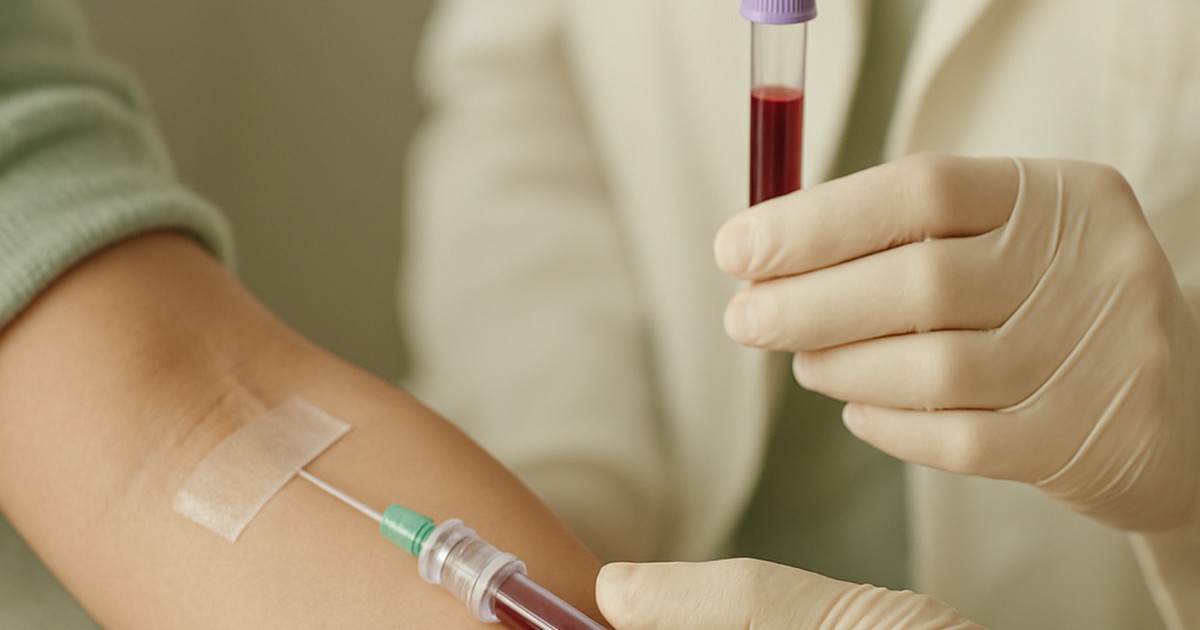
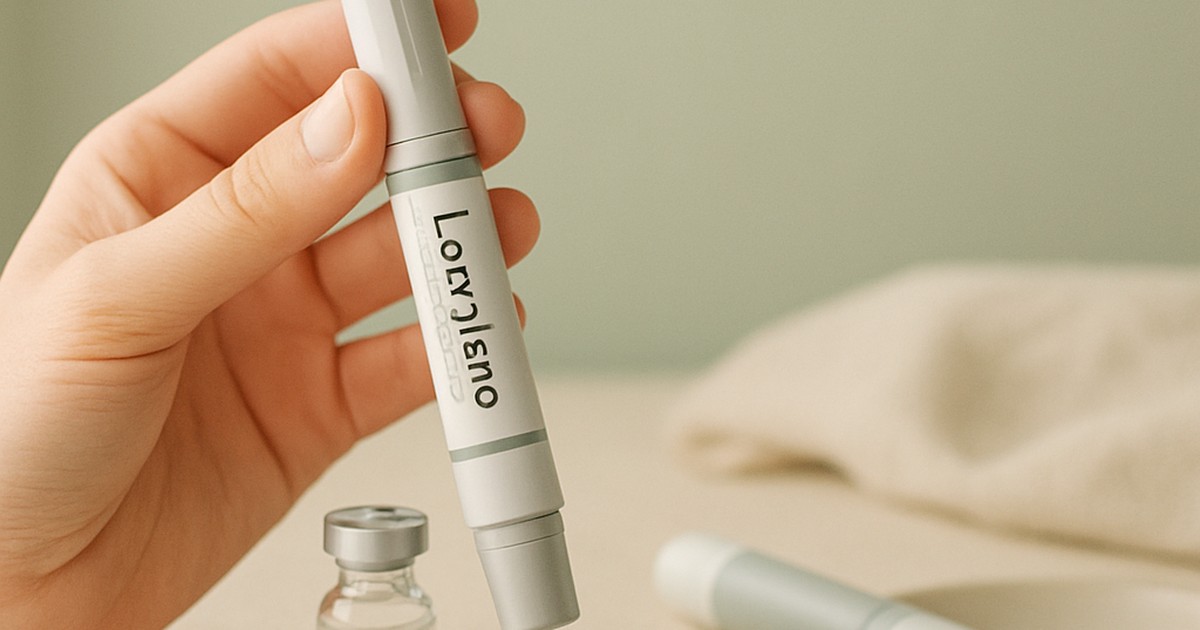
In a pivotal move for diabetes care in the United States, the U.S. Food and Drug Administration (FDA) has approved Langlara, a new biosimilar insulin glargine-aldy, as an interchangeable substitute for Lantus, the renowned insulin product marketed by Sanofi. This landmark decision, announced on April 29, 2026, marks a significant step in the ongoing evolution of the diabetes treatment landscape. The approval means that pharmacists can now substitute Langlara for Lantus at the pharmacy counter without needing a new prescription from the treating physician, thus simplifying access and potentially reducing costs for patients. With the high price of insulin being a persistent issue despite capped costs under Medicare, the introduction of Langlara holds the promise of exerting additional pricing pressure on the market, benefiting millions of Americans who rely on long-acting insulin to manage their diabetes.
Context
The journey to Langlara’s approval is rooted in the broader context of insulin affordability and accessibility challenges that have long plagued the U.S. healthcare system. Sanofi’s Lantus, a stalwart in the insulin market, has faced minimal competition from interchangeable biosimilars until recent years. While biosimilar insulins have been available, their lack of the ‘interchangeable’ designation meant that substitutions at the pharmacy required new prescriptions, maintaining higher price points due to reduced competitive pressure. This regulatory nuance has played a crucial role in the market dynamics.
In 2021, the approval of Semglee as the first interchangeable biosimilar insulin laid the groundwork for Langlara’s entry. Semglee, another glargine-based insulin, demonstrated that biosimilars could indeed contend with branded versions if regulatory hurdles were addressed. However, the true impact of such biosimilars was yet to be fully realized, as market adoption takes time and is influenced by pricing strategies and patient awareness.

This timing is particularly critical as the U.S. grapples with healthcare costs. The 2023 federal Medicare price cap of $35 per month for insulin has offered some relief, but millions who are not part of Medicare still face high costs. This economic backdrop makes every new entrant into the interchangeable biosimilar market vital, each adding to the competitive forces that could drive prices down, albeit gradually. Langlara’s approval is seen as a continuation of this trend, promising incremental but meaningful changes for those dependent on insulin therapy.
FDA Approval of Langlara: A New Era for Insulin
The FDA’s decision to approve Langlara on April 29, 2026, comes after a rigorous evaluation process that assessed the biosimilar’s clinical equivalence to Lantus. Langlara, developed by Biocon Biologics, demonstrated similar pharmacokinetics, safety, and efficacy profiles in clinical trials, which was crucial for securing the interchangeable designation. This approval allows pharmacists to dispense Langlara without a new prescription, a significant step considering the regulatory landscape that often complicates biosimilar substitution.
Biocon Biologics, the company behind Langlara, has positioned itself as a key player in the biosimilar market. The company has been strategic in its approach, leveraging its experiences from previous biosimilar innovations. The approval of Langlara as the second interchangeable biosimilar in the U.S. underscores the company’s commitment to expanding access to affordable insulin therapy.

According to industry estimates, Langlara will be available for distribution in pharmacies nationwide by mid-2026. Its entry adds to the current selection of long-acting insulins, including Lantus and Semglee, giving healthcare providers and patients more options. The competition is expected to spur price reductions, although the initial impact may be modest until market forces fully adjust. The approval is a testament to the evolving strategies within the pharmaceutical industry to address pressing healthcare affordability issues.
Why It Matters
The approval of Langlara is not just a regulatory milestone; it holds significant implications for the future of diabetes care and the pharmaceutical industry at large. For millions of Americans living with diabetes, particularly those dependent on long-acting basal insulins, this marks a hopeful progression towards more affordable treatment options. The immediate benefit lies in the potential for reduced out-of-pocket costs, which, while incremental, are crucial for many households managing chronic conditions.
From an industry perspective, Langlara’s approval showcases the growing viability and acceptance of biosimilars as effective alternatives to branded medications. This trend could lead to increased innovation and competitiveness within the pharmaceutical market, encouraging more companies to develop biosimilars that can be interchangeable. Such developments promise to reshape the economic landscape of drug pricing, a long-standing issue that significantly impacts public health policy and individual access to necessary medications.
The introduction of Langlara also furthers the discourse on healthcare equity. As pricing pressures mount, access to essential medications like insulin becomes more democratized, potentially reducing disparities in healthcare outcomes. This shift aligns with broader public policy goals aimed at ensuring that cost is not a barrier to accessing life-saving treatments.
How We Approached This
In crafting this feature, we at Wellness Outlook sought to balance the clinical and economic narratives surrounding Langlara’s approval. Our editorial team extensively reviewed FDA announcements, analyzed industry reports, and consulted with diabetes care specialists to understand the multifaceted implications of this development. We prioritized clarity in explaining the regulatory nuances that make Langlara’s approval significant while also highlighting the broader context of insulin affordability.
Our focus was on providing readers with a comprehensive understanding of the impact this approval could have on their lives and the healthcare system. By emphasizing both the immediate and potential long-term effects, we aim to inform and engage our audience, empowering them to make informed decisions regarding their health and wellness. We chose to spotlight the intersection of policy, market dynamics, and patient impact as these are critical elements that resonate with our readership’s interests and needs.
Frequently Asked Questions
What makes Langlara different from other biosimilars?
Langlara’s distinction lies in its ‘interchangeable’ designation, allowing it to be substituted for Lantus at the pharmacy without a new prescription. This regulatory feature distinguishes it from other biosimilars, facilitating greater market competition and potentially lowering costs for patients. Its approval follows rigorous FDA evaluation, confirming its safety and efficacy as equivalent to Lantus.
How will Langlara’s approval affect insulin prices?
Langlara’s entry into the market is expected to exert downward pressure on insulin prices, though the effect may be gradual. By increasing competition among interchangeable long-acting insulins, Langlara may lead to lower out-of-pocket costs for patients over time. However, the initial price impact depends on market uptake and pricing strategies employed by manufacturers.
When will Langlara be available to patients?
Langlara is anticipated to be available in pharmacies by mid-2026. Following the FDA’s approval, the distribution process is underway to ensure that it reaches pharmacists and patients promptly. Those interested in switching to Langlara should consult with their healthcare providers and pharmacists to understand how it may fit into their treatment plans.
As the healthcare landscape continues to evolve, the approval of Langlara signifies a critical juncture in the pursuit of affordable diabetes care. While Langlara alone may not revolutionize insulin pricing, it contributes to a broader trend of increased accessibility and competition. Stakeholders across the healthcare spectrum are watching closely to see how this and similar developments will reshape the market. For those impacted by diabetes, the march towards more affordable care appears to be gaining momentum, with Langlara poised as a key player in the ongoing effort to make life-saving treatments more accessible and affordable.