
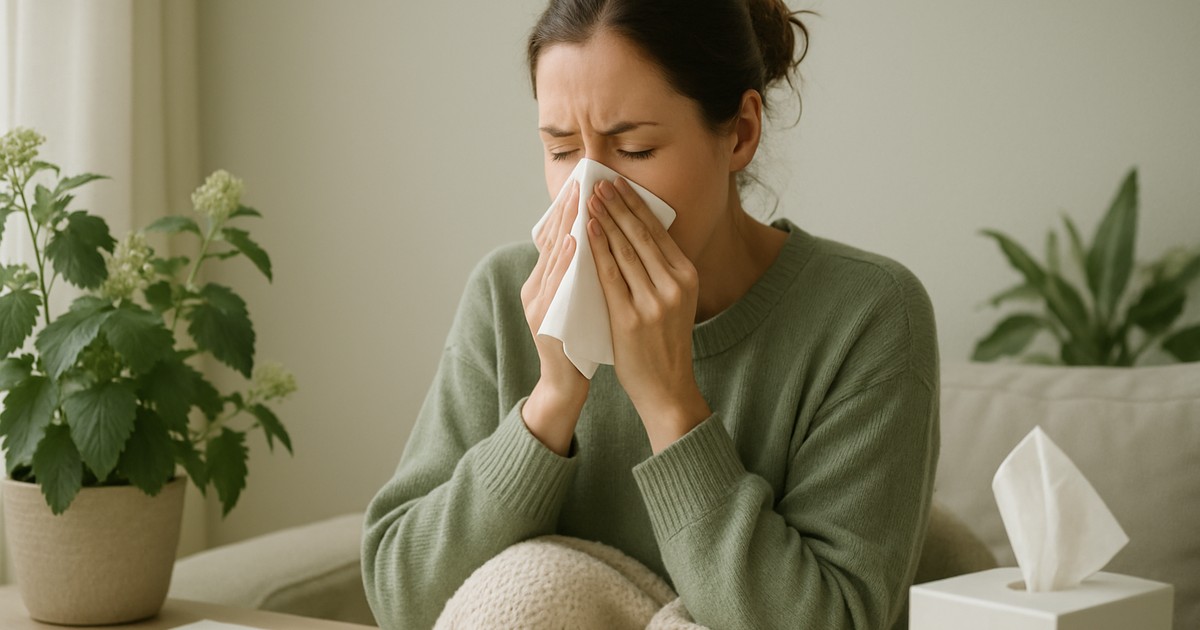
The Asthma and Allergy Foundation of America (AAFA) has once again unveiled its annual ‘Allergy Capitals’ report, highlighting the metropolitan areas in the United States most affected by seasonal pollen allergies. This 2026 edition has stirred considerable interest, particularly due to unexpected shifts within the top rankings. Notably, Wichita, Kansas has maintained its position as the most challenging city for allergy sufferers, a distinction it also held last year. However, the real surprises lie in the leaps made by Richmond, Virginia; Greenville, South Carolina; and Kansas City, Missouri. These cities have soared into the top 10, each climbing an impressive number of places since 2025. The report attributes these changes to environmental factors, most prominently warmer, longer pollen seasons and the migration of tree species. This article explores the context of these findings, the specifics of the report, why these shifts matter, and how this knowledge can empower those affected by allergies across the nation.
Context
Pollen allergies have been a growing concern across the United States, with millions of individuals experiencing symptoms such as sneezing, itchy eyes, and congestion. The AAFA’s annual report has become a critical resource for understanding how environmental changes affect allergy sufferers. By analyzing the pollen data and healthcare reports from cities nationwide, the AAFA aims to provide a comprehensive overview that can aid individuals in managing their allergies more effectively.
The report traditionally evaluates factors such as pollen scores, over-the-counter medication use, and the availability of allergy specialists. This year’s edition, however, puts a spotlight on the impact of climate change, highlighting how warmer temperatures and unpredictable weather patterns are extending pollen seasons. This results in heightened allergy symptoms and a greater need for preventive measures. Communities across the nation are feeling these impacts, and cities previously considered moderate in terms of allergy challenges are now becoming hotspots.
What makes this year’s report particularly significant is the emphasis on the ecological shifts that contribute to these changes. The migration of tree species and the extended growing seasons driven by climate change are leading to increased pollen production in areas that historically experienced less severe conditions. This broader understanding of environmental influences provides a clearer picture of the challenges ahead and underscores the evolving nature of allergy management for healthcare providers and patients alike.
What Happened
The 2026 ‘Allergy Capitals’ report by the AAFA identifies Wichita, Kansas as the most challenging U.S. city for pollen allergies for the second consecutive year. This persistence at the top spot is attributed to its high pollen score and significant use of allergy medications among residents. However, the focus of this year’s report lies in the unexpected climbers in the rankings. Richmond, Virginia; Greenville, South Carolina; and Kansas City, Missouri have each made significant leaps into the top 10. This marked rise is a result of double-digit increases in their rankings compared to 2025, challenging assumptions about these regions.
The data points to longer pollen seasons and a notable shift in the types of vegetation contributing to allergies. For instance, Richmond saw an influx of tree species that were previously uncommon in the area, increasing pollen levels substantially. Similarly, Greenville and Kansas City have experienced significant changes in their local flora, leading to heightened pollen counts. The AAFA highlights how these shifts are not isolated incidents but part of a broader trend driven by changing climate conditions.
These findings are based on comprehensive analysis and comparison of pollen data, medication usage, and the density of board-certified allergists in each metro area. The methodology used by the AAFA ensures that the report provides a robust framework for understanding and addressing the challenges posed by seasonal allergies in these rapidly changing environments. As these cities adapt to their new status as top allergy capitals, the report serves as a vital tool for local governments and health organizations aiming to improve public health outcomes.
Why It Matters
The implications of the 2026 ‘Allergy Capitals’ report are far-reaching, affecting not only those directly experiencing allergy symptoms but also the broader societal response to environmental changes. For healthcare providers and patients alike, understanding these trends is crucial for managing symptoms and planning preventative measures. Longer pollen seasons mean that individuals may need to begin their allergy management earlier in the year, using medications or lifestyle changes to reduce exposure and alleviate symptoms.
Moreover, these findings highlight the increasing need for public health initiatives focusing on allergy awareness and education. As more cities move up the ranks, it becomes essential that communities are equipped with the resources and information necessary to manage these health challenges effectively. This includes increased access to allergists and enhanced public health campaigns that inform residents about best practices for reducing exposure to allergens.
From a policy perspective, the shifting rankings underscore the importance of addressing climate change as a public health issue. The changes in pollen seasons and species distributions are clear indicators of the broader environmental shifts taking place. Addressing these challenges requires coordinated efforts across municipal, state, and federal levels to implement strategies that mitigate the impacts of climate change on public health, particularly for vulnerable populations like those with severe allergies and asthma.
How We Approached This
In compiling this report, we relied heavily on the comprehensive data provided by the Asthma and Allergy Foundation of America. Our editorial approach focused on distilling complex environmental and health data into accessible information for our readers, ensuring that the implications of these findings are clear and actionable. We emphasized the surprise shifts in the rankings to highlight the dynamic nature of allergy management in the context of climate change.
We chose to focus on the three cities that made significant jumps in the rankings to illustrate how broader environmental trends can manifest in specific local contexts. This decision was informed by our commitment to providing insights that are not only informative but also relevant to the lived experiences of our readers. By exploring the intersection of climate change and public health, we aim to provide a nuanced understanding of how individuals and communities can adapt to these evolving challenges.
Frequently Asked Questions
Why did Wichita remain the top allergy capital?
Wichita’s consistent ranking as the top allergy capital is primarily due to its high pollen counts and widespread use of allergy medications. The city’s environmental conditions, including its climate and vegetation, contribute to prolonged pollen seasons, exacerbating allergy symptoms among residents. This ongoing challenge highlights the importance of targeted interventions and robust public health strategies to assist those affected.
How do climate change and tree species migration affect allergies?
Climate change leads to longer growing seasons, which increases pollen production. Additionally, the migration of tree species into new areas alters local ecosystems, affecting pollen levels. These changes can exacerbate allergy symptoms and increase the prevalence of allergies in regions previously less affected. Understanding these dynamics is crucial for developing effective allergy management and public health strategies.
What can residents in high-ranking cities do to manage allergies?
Residents in high-ranking allergy capitals can manage symptoms through a combination of interventions. This includes staying informed about pollen forecasts, using air filters, maintaining clean indoor environments, and consulting healthcare providers for personalized management plans. Antihistamines and other medications can also be effective in reducing symptoms caused by high pollen exposure. Community awareness and education are vital in supporting these efforts.
As the 2026 ‘Allergy Capitals’ report underscores, the battle against pollen allergies is becoming increasingly complex, influenced by broader environmental changes that transcend regional boundaries. For those living in the newly anointed top allergy capitals, acknowledgment of these challenges is the first step toward effective management. As communities, policymakers, and individuals adapt to these changes, the focus must remain on collaborative efforts to mitigate the impacts of climate change on public health, ensuring that those affected by allergies can breathe a little easier in the years to come.