Vitamin B12, also known as cobalamin, is a nutrient your body cannot produce on its own. You must obtain it from animal-based foods like meat, dairy, and eggs, or through supplements and fortified products. This water-soluble vitamin plays a key role in maintaining healthy nerve cells and red blood cells, and any excess is typically excreted in urine. While your liver can store B12 for up to five years, a consistent lack of intake can lead to deficiency over time.
Ensuring adequate B12 is vital for several bodily functions. It aids in DNA synthesis and the production of red blood cells, supports the development of the central nervous system, and contributes to the health of your hair, skin, and nails. Without enough B12, your body struggles to create new red blood cells, which can result in anemia. Research also links B vitamins, including B12, to a reduced risk of osteoporosis and hip fractures, though supplements have not been proven to prevent these bone issues.
Recognizing the Signs of B12 Deficiency
Because your body stores 1,000 to 2,000 times the daily amount of B12 you consume, deficiency symptoms may take years to appear. Common indicators include weakness, fatigue, lightheadedness, heart palpitations, shortness of breath, pale skin, a smooth and inflamed tongue (glossitis), digestive problems, bluish or gray-brown nails, and loss of appetite. If left untreated, more severe neurological issues can develop, such as difficulty walking or speaking, vision loss, numbness or tingling, muscle weakness, memory problems, and mood swings like depression.
Less than 1% of people with B12 deficiency experience optic neuropathy, a rare condition where damage to the optic nerve leads to gradual vision loss and blind spots. While studies associate low B12 levels with cognitive decline and conditions like Alzheimer’s disease, evidence is mixed on whether supplements improve symptoms. One study found benefits for those with mild cognitive issues and low B12, but others show no clear link. Similarly, B12 may help with depression prevention if deficiency is addressed early, but boosting levels does not reliably ease existing symptoms.
How B12 Affects Your Daily Life
Many energy drinks tout high B12 content, and research suggests that correcting a deficiency can boost energy levels in fatigued individuals. However, supplements offer no extra energy if your B12 levels are already normal. For skin, hair, and nails, severe deficiency can cause hyperpigmentation, vitiligo, mouth ulcers, eczema, acne, and hair loss, while excessive B12 might trigger similar skin issues. Nails may turn brown-gray or bluish with low B12, but supplements do not strengthen or lengthen nails in people with normal levels.
Getting Enough Vitamin B12: Sources and Dosage
Recommended daily amounts vary by age: infants up to 6 months need 0.4 micrograms, babies aged 7-12 months require 0.5 micrograms, children 1-3 years need 0.9 micrograms, kids 4-8 years need 1.2 micrograms, children 9-13 years need 1.8 micrograms, teens 14-18 years need 2.4 micrograms, adults 19+ years need 2.4 micrograms, pregnant individuals need 2.6 micrograms, and breastfeeding individuals need 2.8 micrograms.

Natural sources include meat, fish, poultry, milk, and eggs. Fortified options like breakfast cereals, breads, nutritional yeasts, and plant milks are available for vegans or vegetarians who may lack B12. If dietary intake is insufficient, supplements or fortified foods can help meet needs.
Treatment Options for Deficiency
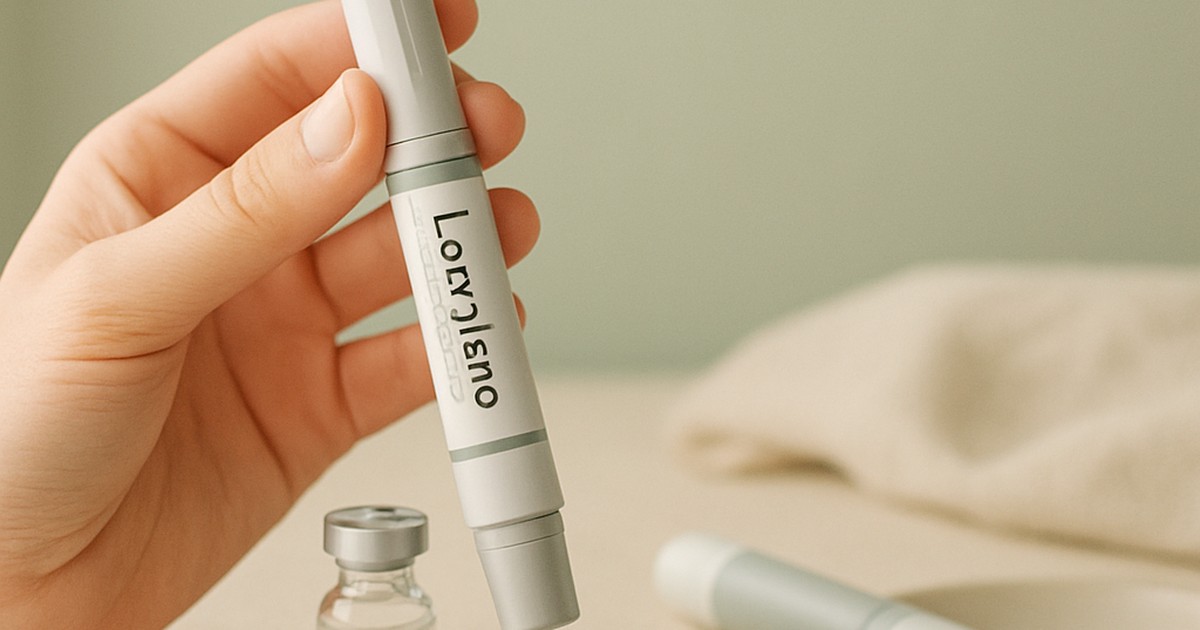
Treatment depends on the cause of low B12. For severe anemia, doctors may recommend B12 injections, often given daily for two weeks until symptoms improve, then switching to supplements. If deficiency stems from autoimmune conditions like pernicious anemia or atrophic gastritis, which impair absorption by reducing intrinsic factor or stomach acid, lifelong injections every two to three months may be necessary. Injections are administered in the upper arm, thigh, or muscle, with minor side effects; seek medical help for swelling, allergic reactions, or breathing difficulties.
For mild deficiencies, oral supplements—available as pills, sublingual tablets, or nasal sprays—are commonly suggested. These do not require stomach acid for absorption but need intrinsic factor, so they may not work for those with related autoimmune issues. High-dose supplements (e.g., 500 or 1,000 micrograms) are safe since the body excretes excess, but they do not aid energy or weight loss in people with normal levels.
Risk Factors and Prevention
You are more likely to develop B12 deficiency if you follow a strict vegan diet or have medical conditions that hinder absorption, such as autoimmune diseases (e.g., Graves’ disease, lupus) or use of certain medications. Drugs like heartburn treatments (e.g., esomeprazole, famotidine), diabetes medications, gout drugs, and chemotherapy can interfere with B12 absorption, so consult your doctor about potential supplements or alternatives.
Most people can prevent deficiency by consuming adequate animal products. Vegans or those with absorption issues should consider supplements or fortified foods. Limit alcohol intake, as heavy drinking impairs nutrient absorption and calorie intake; men should not exceed two drinks daily, and women should not exceed one. During pregnancy, especially for vegans or vegetarians, ensure sufficient B12 to support fetal brain and spinal development and prevent growth delays.
Understanding B12 Overdose and Stages of Deficiency
There is no established upper limit for B12 because the body excretes excess, but very high doses, particularly via injection, have been linked to acne, rosacea, and heart palpitations. A 2020 study found a higher death rate among people with the highest B12 levels, though the reason is unclear.
B12 deficiency progresses through four stages: Stage I involves low blood levels without symptoms; Stage II sees low cellular stores; Stage III includes biochemical changes like elevated homocysteine and methylmalonic acid, leading to neurological symptoms like confusion and mood swings; and Stage IV results in macrocytic anemia with fatigue and weakness alongside neurological issues.
Key Takeaways and FAQs
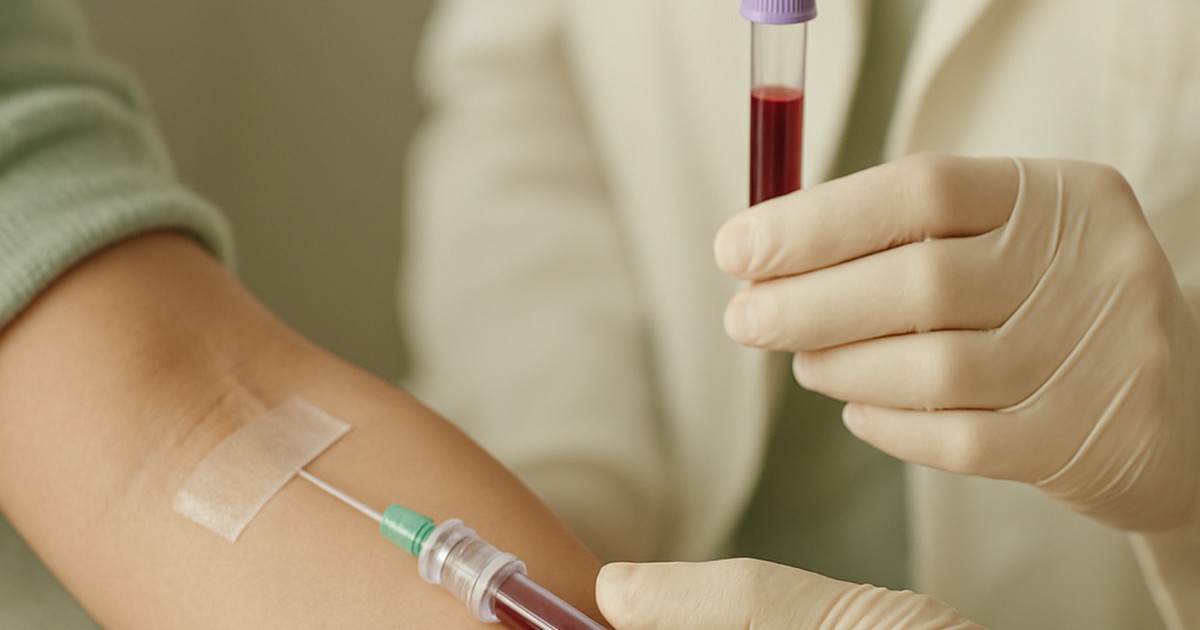
Vitamin B12 is essential for DNA synthesis, red blood cell production, and nervous system health. Deficiency can impact bones, energy, mood, and skin, but it is preventable through diet or supplements. Since the body stores B12, symptoms may take years to manifest. If you suspect deficiency, a blood test can confirm levels, and treatment often resolves issues, though nerve damage may be permanent.
Which food is highest in B12? Beef liver provides 70.7 micrograms per 3-ounce serving, or 2,944% of the daily value. Clams offer 17 micrograms per 3 ounces, or 708%.
What is the fastest way to fix B12 deficiency? Increase intake of high-B12 foods like liver, clams, oysters, nutritional yeast, salmon, tuna, and ground beef, or start taking supplements.
What are the four stages of B12 deficiency? They are: low serum levels (no symptoms), low cell stores, biochemical deficiency with neurological symptoms, and clinically evident deficiency with anemia.
By Dr. Amelia Ross