
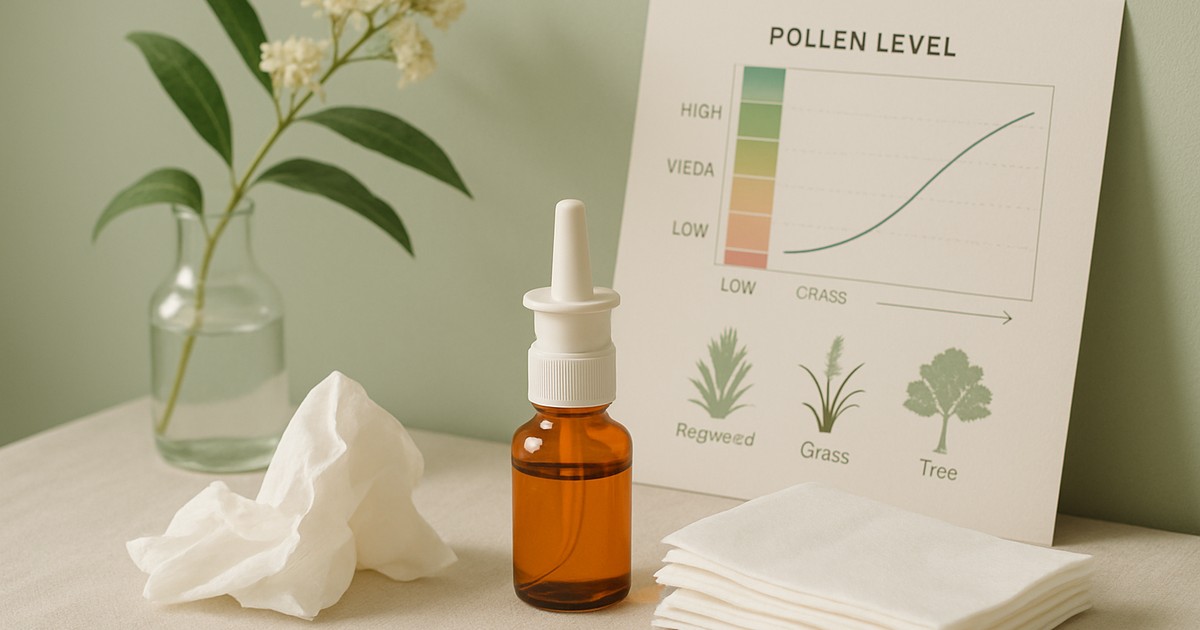
In a move that underscores the evolving challenges posed by climate change, the Centers for Disease Control and Prevention (CDC) updated its 2026 pollen allergy guidance shortly after the Asthma and Allergy Foundation of America (AAFA) released its annual Allergy Capitals report. Wichita, Kansas, was again named the worst city in the United States for pollen allergies, highlighting a concerning trend for urban residents. This revision marks a significant shift in public health strategy, incorporating detailed tree-species pollen forecasts and acknowledging the expanding pollen season. With allergy seasons lengthening an average of 21 days since 1990, the CDC’s new guidelines aim to better equip individuals and healthcare providers with the tools needed to navigate this challenging landscape. This article delves into the implications of these updates, exploring how they aim to address rising allergy rates among first-time sufferers and what this means for the future of preventive care in America.
Context
Pollen allergies, often dismissed as a seasonal nuisance, have become a significant public health concern, affecting over 50 million Americans annually. The AAFA’s Allergy Capitals report identifies the most challenging cities for allergy sufferers, using criteria such as pollen counts, allergy medication use, and the availability of specialists. Wichita’s notorious ranking for the second consecutive year underscores the escalating impact of environmental factors on urban health. The report not only raises awareness among residents but also serves as a critical data source for health organizations striving to enhance allergy management strategies.
The CDC’s response to these findings is part of a broader effort to adapt public health policies to the realities of climate change. Over the past few decades, rising global temperatures have altered plant growth patterns, leading to longer pollen seasons and higher pollen counts. This has exacerbated symptoms for existing allergy sufferers and increased sensitization rates among individuals previously unaffected by pollen. The CDC’s updated guidance reflects an acknowledgment of these changes and a commitment to proactive measures that mitigate health impacts.
This week’s developments are the latest in a series of adaptations by public health authorities to the unpredictable dynamics of climate change. By integrating specialized pollen forecasts into their public health advisories, the CDC aims to provide a more precise, location-specific understanding of allergenic threats. This shift towards personalized health data is indicative of a growing trend in preventive care, where the emphasis is placed on anticipating and mitigating environmental health risks.
What Happened
The CDC’s updated 2026 pollen allergy guidance introduces several key changes designed to improve the public’s ability to manage and prepare for allergy season. The most notable update is the incorporation of tree-species pollen forecasts into the CDC’s public portal. This tool provides detailed information on specific pollen types, allowing individuals to better anticipate and prepare for their unique allergenic triggers. Public health officials hope this will empower residents in the top-20 metro areas, including notoriously challenging locales like Wichita, to take more effective preventive measures.
In addition to the forecasting updates, the CDC now recommends earlier-season monitoring for these high-impact areas. This proactive approach is intended to give allergy sufferers a head start in managing their symptoms before pollen concentrations peak. The CDC’s guidelines also emphasize the importance of understanding local climate variations, which can significantly impact pollen distribution and severity. This tailored advice comes as a response to the AAFA’s findings and aims to address the specific challenges identified in the Allergy Capitals report.
Moreover, the updated guidance explicitly recognizes the link between climate change and the extended pollen season, citing a 21-day increase in duration since 1990. This acknowledgment is a critical step in framing allergies as a climate-driven public health issue, one that necessitates coordinated efforts across governmental and non-governmental sectors. By aligning their recommendations with current environmental data, the CDC reinforces its role in leading adaptive strategies for the health sector in the face of climate-related challenges.
Why It Matters
The implications of the CDC’s updated guidelines extend beyond immediate symptom relief for allergy sufferers. By incorporating climate data into public health strategies, these changes represent a paradigm shift in how preventive care is approached at a national level. The acknowledgment of climate change’s impact on pollen seasons marks an essential step in integrating environmental science with health policy, potentially setting a precedent for other regions facing similar challenges.
For the healthcare industry, these updates could drive new research initiatives focused on allergy treatment and management. With a clearer understanding of the environmental factors contributing to rising allergy rates, pharmaceutical companies and researchers might prioritize the development of more effective medications and therapies. This evolving landscape presents opportunities for innovation in allergy care, potentially leading to breakthroughs that could alleviate the burden of allergies for millions of Americans.
On a consumer level, the CDC’s guidelines encourage individuals to take a more active role in managing their health. By providing access to detailed pollen forecasts and emphasizing the importance of early intervention, the guidance empowers people to make informed decisions about their exposure and treatment options. This proactive approach aligns with broader trends in wellness and preventive care, where individuals are increasingly seeking personalized solutions to health challenges.
How We Approached This
Our analysis of the CDC’s updated guidelines was informed by a thorough review of both the AAFA’s Allergy Capitals report and the latest scientific literature on climate change and its impact on public health. We prioritized these sources to ensure our coverage reflects the most current and relevant information, emphasizing the interconnectedness of environmental and health issues in the context of allergy management.
In crafting this article, we aimed to balance technical accuracy with accessibility, ensuring that our readers gain a comprehensive understanding of the updates without being overwhelmed by scientific jargon. By focusing on the implications for both individuals and the healthcare industry, we provide a holistic view of the evolving landscape of allergy management, highlighting the critical role of adaptive public health strategies in a changing world.
Frequently Asked Questions
What are the key changes in the CDC’s updated pollen allergy guidance?
The CDC’s updated guidance includes earlier-season monitoring recommendations for metro areas with high pollen counts. It also integrates tree-species pollen forecasts into its public portal, offering detailed, location-specific information to help individuals better manage their allergenic triggers. Additionally, the guidance acknowledges climate-driven changes, such as the 21-day extension of the pollen season since 1990.
How does climate change impact pollen allergies?
Climate change contributes to longer pollen seasons and higher pollen concentrations. Rising global temperatures alter plant growth patterns, leading to extended and more intense pollen seasons. This exacerbates symptoms for people with existing allergies and increases the likelihood of sensitization among new individuals, making it a significant public health concern.
What is the significance of the AAFA’s Allergy Capitals report?
The AAFA’s Allergy Capitals report identifies cities with the highest allergy challenges, based on pollen counts, medication use, and access to specialists. By highlighting the most affected areas, the report raises awareness and provides critical data for public health organizations and individuals to improve allergy management strategies, influencing updates like those from the CDC.
Looking ahead, the CDC’s proactive stance on allergenic threats could serve as a model for addressing other climate-related health issues. As environmental changes continue to shape health outcomes, understanding and integrating climate data into public health strategies will be crucial. For individuals, staying informed and engaged with the latest guidelines offers the best defense against the evolving challenges of seasonal allergies, emphasizing the importance of personal and collective action in promoting wellness.