

In a bold move that could redefine the landscape of wearable wellness technology, Google is reportedly developing a new screenless Fitbit designed to compete head-on with the likes of WHOOP and the Oura Ring. This innovative device shifts away from the traditional smartwatch display, opting instead for a streamlined design focused entirely on continuous biometric monitoring. The new Fitbit intends to track a comprehensive suite of health metrics, including heart rate, heart rate variability (HRV), skin temperature, blood oxygen levels, and sleep staging. Coupled with Fitbit’s advanced AI-powered health coaching system, Google aims to revolutionize how users engage with their fitness data. Unlike WHOOP’s subscription model which charges $30 per month, Google’s approach will involve a hybrid model featuring a lower upfront hardware cost alongside a monthly subscription for its AI coaching features. This strategic shift highlights a broader industry trend where wearables are evolving from simple fitness trackers into sophisticated health management systems.
Context
Wearable technology has been steadily advancing over the past decade, with companies like Fitbit and WHOOP leading the charge. The American College of Sports Medicine has recognized wearable technology as the number one fitness trend for 2026, underscoring the growing importance of these devices in personal health management. Google’s decision to enter this competitive market comes at a time when the fitness app industry is booming. Valued at $12.9 billion in 2025, the market is projected to expand to a staggering $40.3 billion by 2034. This growth is fueled by increasing consumer demand for real-time health insights and personalized wellness solutions, as busy lifestyles make traditional fitness routines challenging to maintain.
WHOOP, known for its focus on community-driven wellness, and Oura, which specializes in advanced sleep monitoring, have set high standards for the industry. WHOOP’s CEO Will Ahmed has noted a surge in demand, particularly as the US wellness industry accelerates. This surge is reflected in WHOOP’s subscription model, which has gained popularity despite its relatively high cost. Meanwhile, the Oura Ring has carved out a niche with its focus on sleep analysis, appealing to those seeking deeper insights into their rest and recovery patterns. Google’s entry into this space with a screenless Fitbit represents an ambitious attempt to bridge the gap between these two approaches, leveraging Fitbit’s extensive user base and seamless integration with Android devices.

Prior to this announcement, Fitbit has been a dominant player in the wearable fitness market, offering a range of devices that cater to different user needs. However, the shift towards a screenless design signals a new direction for the brand. By stripping away the complexities of a traditional display, Google aims to create a more immersive and unobtrusive health-tracking experience. This aligns with trends in the wellness sector, where there is an increasing emphasis on minimalism and simplicity. The hybrid model of lower upfront costs combined with subscription-based AI coaching could appeal to consumers looking for more cost-effective solutions without sacrificing access to cutting-edge technology.
What Happened
The news of Google’s latest venture emerged earlier this week, with industry insiders confirming the development of a new screenless Fitbit. This device is expected to feature a sleek, minimalist design that prioritizes functionality over form. The absence of a screen will not only reduce distractions for users but also extend battery life, a critical factor in wearable technology. The device is anticipated to offer continuous biometric monitoring, leveraging advanced sensors to track heart rate, HRV, skin temperature, blood oxygen levels, and sleep stages. These metrics will be seamlessly integrated into Fitbit’s AI-powered health coaching platform, providing users with actionable insights and personalized wellness strategies.
Unlike traditional fitness trackers, the screenless Fitbit will operate on a subscription-based model, albeit with a twist. While WHOOP charges a flat $30 monthly subscription, Google’s approach involves a lower upfront hardware cost with a subsequent subscription for AI coaching features. This model is designed to make advanced health tracking more accessible to a broader audience, lowering the barrier to entry for users who may be deterred by high initial costs. However, it remains to be seen how this pricing strategy will be received in the market, particularly as consumers weigh the value of ongoing subscription fees against the benefits of AI-driven coaching.
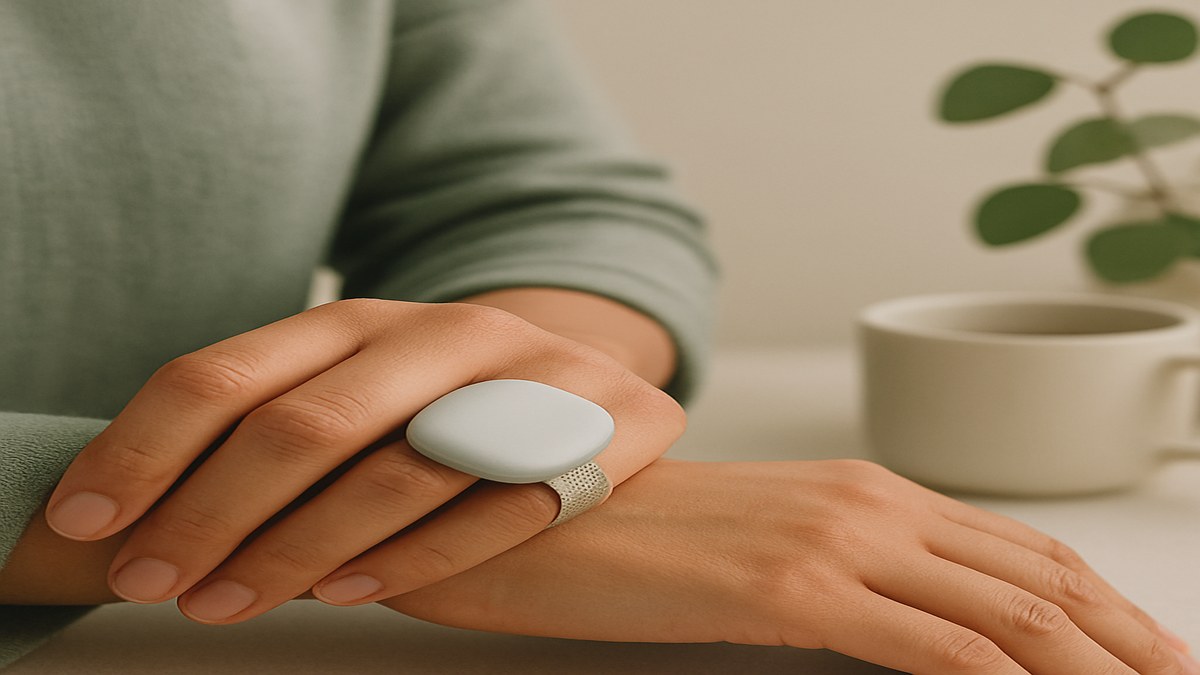
Industry analysts have been quick to highlight the potential advantages of Google’s integration with Android, which could provide a seamless user experience for millions of existing Android users. This integration is expected to enhance data synchronization across devices, allowing users to access their health metrics on their smartphones and other connected devices effortlessly. Google’s vast resources and expertise in AI technology could also give it a competitive edge in developing sophisticated health algorithms that offer more accurate and personalized recommendations than those currently available from rivals like WHOOP and Oura.
Why It Matters
The introduction of a screenless Fitbit by Google represents a significant milestone in the evolution of wearable technology. By focusing on continuous health monitoring and AI-driven insights, this device could transform how consumers engage with their health data. The potential for real-time feedback and personalized coaching could lead to more informed health decisions and improved overall wellness outcomes. As the line between traditional healthcare and digital wellness continues to blur, devices like the new Fitbit could play a crucial role in bridging this gap, providing users with the tools they need to take control of their health.
For the fitness industry, Google’s entry into the premium health tracking market could spark increased competition and innovation. Companies like WHOOP and Oura have set the bar high with their specialized offerings, but Google’s ability to leverage its vast technological resources and user base could disrupt the market dynamics. This competition may drive further advancements in wearable technology, leading to more sophisticated devices that offer even greater insights into personal health and wellness. As a result, consumers stand to benefit from more diverse options and improved functionality, allowing them to choose devices that best meet their individual needs.
Moreover, the integration of AI-powered health coaching into wearables represents a broader shift towards personalized wellness solutions. As consumers become more health-conscious, the demand for tailored recommendations and actionable insights will likely increase. Google’s emphasis on AI-driven coaching could set a new standard for the industry, encouraging other companies to enhance their offerings with similar features. This trend towards personalization reflects a growing recognition that one-size-fits-all approaches to health and fitness are becoming increasingly outdated, as individuals seek solutions that cater to their unique lifestyles and goals.
How We Approached This
In crafting this article, we drew upon a range of industry reports, expert analyses, and statements from key players in the wearable technology market. Our editorial approach seeks to provide a balanced perspective on the implications of Google’s new screenless Fitbit, considering both the potential benefits and challenges this device may present. By focusing on the intersection of technology and wellness, we aim to offer readers comprehensive insights into this evolving landscape and the opportunities it presents for personal health management.
As a wellness-focused publication, we emphasize the practical applications of new technologies and their impact on consumer health. In this article, we chose to highlight the innovative aspects of the screenless Fitbit and its potential to reshape the wearable market. We also considered the broader industry context, examining trends in wearable technology, consumer demand, and competitive dynamics. Our goal is to equip readers with the knowledge they need to make informed decisions about their health and wellness journey in this rapidly changing environment.
Frequently Asked Questions
What makes the screenless Fitbit different from other wearables?
The new screenless Fitbit is designed to focus on continuous biometric monitoring without the distraction of a traditional display. It offers a streamlined design for tracking heart rate, HRV, skin temperature, blood oxygen levels, and sleep stages, all integrated with Fitbit’s AI-powered health coaching system. This approach aims to provide users with real-time insights and personalized wellness strategies, distinguishing it from traditional fitness trackers.
How does Google’s pricing model compare to WHOOP?
Google’s screenless Fitbit adopts a hybrid pricing model, featuring a lower upfront hardware cost offset by a monthly subscription for AI coaching features. In contrast, WHOOP charges a flat $30 monthly subscription with no initial hardware cost. Google’s model aims to make advanced health tracking more accessible, appealing to consumers who may be deterred by high initial expenses, while providing value through AI-driven coaching.
What impact could this have on the wearable market?
Google’s entry into the premium health tracking market could intensify competition and drive innovation in wearable technology. With its extensive resources and Android integration, Google’s screenless Fitbit could disrupt market dynamics and set new standards for personalized wellness solutions. This may lead to more sophisticated devices and diverse options for consumers, ultimately enhancing how individuals engage with their health and wellness data.
As the development of Google’s screenless Fitbit progresses, the wearable technology market is poised for significant transformation. This evolution towards more personalized and integrated health solutions marks a new era in consumer wellness, one where real-time insights and AI-driven coaching are becoming the norm. For readers, the takeaway is clear: as technology continues to advance, the tools available to monitor and improve personal health are becoming more sophisticated and accessible. Staying informed about these trends will be crucial for anyone looking to enhance their health and wellness journey in the years to come.