
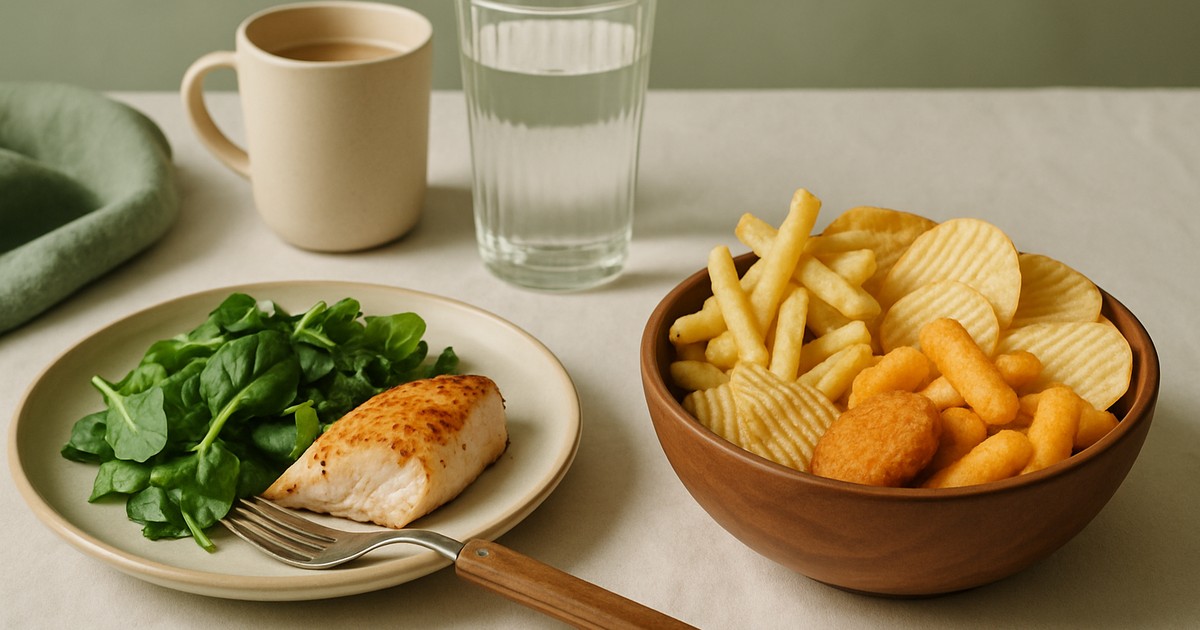
In an era where dietary choices are under increasing scrutiny, a significant new study conducted by the Harvard T.H. Chan School of Public Health offers compelling evidence linking ultra-processed foods (UPFs) to a markedly increased risk of developing depression. Published today in the British Medical Journal, the study underscores a 32% higher risk of clinical depression over a decade among women who consumed high levels of UPFs. This groundbreaking research, centered on data from 31,712 participants in the Nurses’ Health Study II, controlled for a variety of factors including body mass index (BMI), physical activity, smoking habits, and baseline mental health conditions. With the strongest associations found in the consumption of artificial sweeteners and ultra-processed grain products, the study also highlights potential mechanisms like the gut-brain axis and chronic low-grade inflammation. This article delves into the contexts, findings, and implications of this pivotal study, exploring how our dietary choices may be influencing our mental health more profoundly than previously understood.
Context
The consumption of ultra-processed foods has been on the rise globally, a trend that has not gone unnoticed by health professionals and researchers alike. Often characterized by high levels of added sugars, unhealthy fats, and artificial additives, these foods are increasingly becoming staples in many diets, particularly in urban settings where convenience often trumps nutritional value. The Nurses’ Health Study II, which began in 1989 and focuses on understanding chronic disease risk factors, provided a rich dataset for analyzing the long-term effects of dietary habits. This cohort study has historically contributed valuable insights into women’s health, particularly in relation to lifestyle factors and chronic illnesses.
In recent years, the gut-brain axis has emerged as a significant area of interest in understanding how dietary habits influence mental health. This complex communication network between the gastrointestinal tract and the brain is thought to play a crucial role in emotional and cognitive functions. Researchers are increasingly exploring how factors like gut microbiota can affect mood and behavior, offering new perspectives on conditions such as depression. Previous studies have suggested links between diet and mental health, but the current Harvard study is the most comprehensive to date, providing the largest prospective analysis of the relationship between UPFs and depression.
This week’s publication in the British Medical Journal marks a pivotal moment in nutritional psychiatry. The study’s timing is particularly pertinent as mental health concerns continue to rise globally, exacerbated by factors such as the COVID-19 pandemic and its aftermath, which have highlighted the importance of resilience and well-being. As public health discussions increasingly incorporate mental health into their frameworks, understanding the factors that contribute to mental health disorders becomes ever more critical.
What Happened
The study, led by a team of researchers at the Harvard T.H. Chan School of Public Health, meticulously tracked the dietary habits of 31,712 women over a ten-year period. Participants were originally enrolled in the Nurses’ Health Study II, a long-running health study aimed at uncovering links between lifestyle factors and health outcomes. Researchers focused on the consumption of ultra-processed foods, defined by their industrial formulations with five or more ingredients, usually loaded with additives and preservatives to enhance taste and shelf life.
Data analysis revealed a striking 32% increase in the risk of clinical depression among participants who consumed the highest amounts of UPFs compared to those who consumed the least. Particularly, the consumption of artificial sweeteners and ultra-processed grain products showed the strongest associations with depression. These findings held true even after adjusting for potential confounding factors such as BMI, physical activity, smoking status, and pre-existing mental health conditions, suggesting a robust link between UPF consumption and mental health deterioration.
One of the study’s most significant contributions is its exploration of potential biological mechanisms behind this link. The researchers propose that the gut-brain axis and chronic low-grade inflammation are likely culprits. The gut-brain axis, a bidirectional communication pathway between the gut and the brain, can influence mood and behavior. High consumption of UPFs may disrupt this axis by altering gut microbiota balance, leading to inflammation and changes in neurotransmitter function. The study’s findings highlight the need for further research to explore these mechanisms and their implications for mental health.
Why It Matters
The implications of this study are far-reaching, particularly in the realm of public health and nutrition policy. As mental health disorders, particularly depression, continue to rise globally, identifying modifiable risk factors becomes crucial. The association between UPFs and depression underscores the need for dietary guidelines and public health initiatives that prioritize whole, minimally processed foods. Encouragingly, such initiatives are already underway in some regions, aiming to reduce the consumption of UPFs and promote mental well-being through healthier eating habits.
For consumers, the study serves as a wake-up call to reconsider dietary habits. With the growing availability and marketing of UPFs, particularly in urban areas, individuals are increasingly relying on these convenient, but often nutritionally inadequate, options. This study emphasizes the importance of informed dietary choices, as the foods we consume can have profound effects not only on our physical but also our mental health. By prioritizing whole foods such as fruits, vegetables, and whole grains, individuals may significantly reduce their risk of depression and improve overall well-being.
From a research perspective, the study opens new avenues for investigating the link between diet and mental health. Future studies could explore the impact of specific dietary components on mental health outcomes, potentially paving the way for targeted nutritional interventions. As the largest study of its kind to date, the Harvard research provides a valuable foundation for further exploration into how dietary patterns influence mental health, advancing the field of nutritional psychiatry.
How We Approached This
In crafting this article, we analyzed the original study published in the British Medical Journal, while also considering expert commentary from leading nutritionists and mental health professionals. Our editorial team prioritized a comprehensive understanding of the study’s methodology and its broader implications for public health. Given the complex nature of the gut-brain axis and its emerging role in nutritional psychiatry, we chose to focus on this aspect to highlight the innovative dimensions of the research.
We also examined historical data from the Nurses’ Health Study II to appreciate the significance of the cohort’s findings in the broader narrative of women’s health research. By providing historical context and focusing on both the scientific and practical aspects of the study, we aim to offer our readers a well-rounded perspective. Our goal is to inform and empower, encouraging our audience to make informed dietary choices in light of new scientific evidence.
Frequently Asked Questions
What are ultra-processed foods?
Ultra-processed foods are industrial formulations typically high in added sugars, unhealthy fats, artificial additives, and preservatives. They often contain five or more ingredients and are designed to be convenient and palatable. Examples include packaged snacks, sugary drinks, and ready-to-eat meals.
How can ultra-processed foods affect mental health?
UPFs can affect mental health by disrupting the gut-brain axis, a communication network between the gut and brain. These foods may alter gut microbiota and lead to inflammation, potentially impacting mood and neurotransmitter function, which are linked to mental health conditions like depression.
What steps can individuals take to reduce their risk?
Individuals can reduce their risk of depression linked to UPF consumption by prioritizing whole, minimally processed foods in their diets. This includes eating more fruits, vegetables, whole grains, and lean proteins while avoiding packaged snacks, sugary drinks, and processed meals.
As we look forward, the insights from this study will undoubtedly influence both personal dietary choices and broader public health strategies. It serves as a crucial reminder of the intricate connections between diet and mental health, urging both consumers and policymakers to reevaluate food systems. While further research is necessary, this study sets the stage for a deeper understanding of how the foods we consume shape our mental well-being, highlighting the importance of dietary patterns in promoting a healthier, happier future.