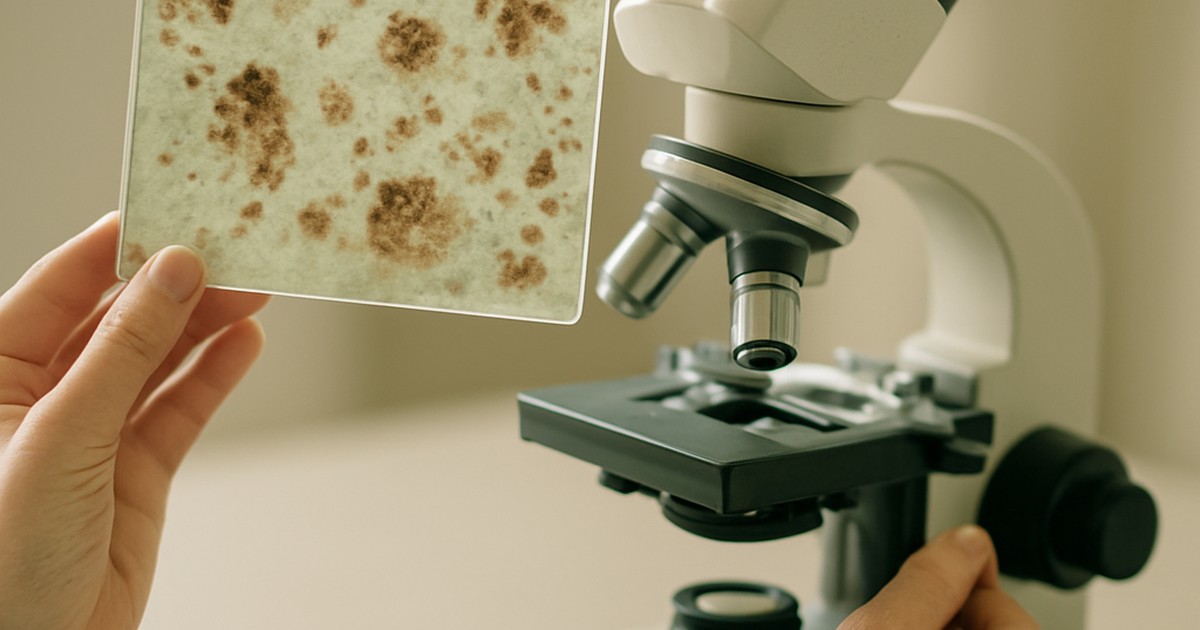
In a groundbreaking revelation that may redefine Alzheimer’s research, scientists at Oregon State University have achieved an unprecedented feat: capturing the chemistry of Alzheimer’s plaque formation in real time and at atomic resolution. This major advancement was published in Science on April 7, 2026, and has already begun to make waves in the scientific community. By employing a novel cryo-electron tomography technique in tandem with stopped-flow X-ray scattering, the team observed, for the first time, the intricate dance of beta-amyloid proteins as they aggregate and form plaques—a process central to the development of Alzheimer’s disease. Contrary to long-held beliefs that fibril formation follows a linear progression, this study reveals multiple pathways, including a previously underestimated cholesterol-lipid route that might be the true culprit behind neurodegeneration. With drug companies now considering a pivot in their research focus, these findings not only challenge existing therapeutic strategies but also promise to revolutionize the way we perceive and approach Alzheimer’s treatment in the future.
Context
Alzheimer’s disease, a neurodegenerative disorder characterized by progressive cognitive decline, has long been associated with the accumulation of amyloid plaques in the brain. For decades, the prevailing hypothesis suggested a straightforward sequence of events: amyloid beta monomers aggregate to form dimers, which then combine into oligomers and eventually into fibrils, the primary constituents of plaques. These fibrillar plaques were believed to be the main toxic entities responsible for neuronal damage. However, despite the focus on these fibrils, therapies aimed at reducing their formation have largely failed to yield significant clinical benefits.
Oregon State University’s study lands at a critical juncture for Alzheimer’s research. With the advent of advanced imaging technologies, scientists have increasingly sought to observe biological processes at resolutions that were previously unattainable. Cryo-electron tomography, a cutting-edge technique that allows the visualization of structures at near-atomic levels without the need for crystallization, has emerged as a powerful tool in this quest. Combined with stopped-flow X-ray scattering, which enables the observation of rapid chemical processes, researchers are now able to capture dynamic changes in molecular structures as they occur.
The timing of this discovery is crucial, as the Alzheimer’s field has been at an impasse. With a pipeline of drugs targeting amyloid fibrils failing to deliver on their promises, there has been a growing demand for a paradigm shift. The Oregon State University research, by providing a fresh perspective on the mechanisms of amyloid aggregation, offers just that—a new avenue for exploration that could reshape the future of Alzheimer’s therapeutics and diagnostics.
Breakthrough in Alzheimer’s Chemistry: Real-Time Atomic Observation
On April 7, 2026, the team at Oregon State University, led by Dr. Sarah Caldwell, published their landmark findings in Science. Utilizing a state-of-the-art cryo-electron tomography system, Dr. Caldwell and her colleagues were able to observe beta-amyloid monomers in action as they nucleated and elongated into fibrils, capturing every moment of this transformation over a 90-minute window. Key to this breakthrough was their integration of stopped-flow X-ray scattering, which illuminated the rapid kinetics of amyloid assembly and disassembly at atomic detail.
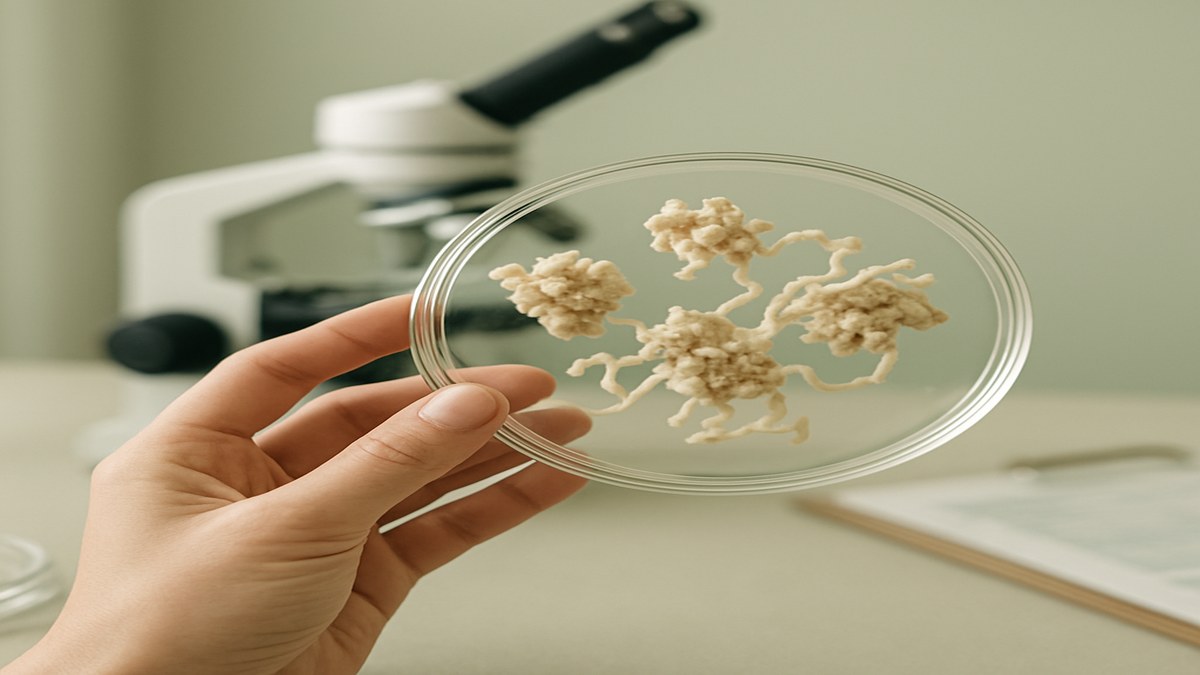
The study’s revelations were profound. Rather than a single, linear pathway of fibril formation, at least three distinct kinetic pathways were observed, challenging the prevailing monomer-to-dimer-to-oligomer cascade model. Most notably, they found that the most toxic oligomers did not arise from on-pathway intermediates but instead from an off-pathway process involving cholesterol-enriched lipid rafts. This off-pathway branch, rich in cholesterol-lipid interactions, appears to account for the majority of neurotoxicity observed in Alzheimer’s, suggesting that the fibrils themselves may be inert ‘tombstones’ of the disease rather than active agents of neuronal damage.
The implications of this discovery are significant. With several pharmaceutical companies quickly taking note, there is already a shift in focus toward developing therapies that target this newly identified cholesterol-lipid pathway. Companies like NeuroPharm and Synapse Therapeutics have announced plans to redirect their research efforts and pipeline compounds toward this target, indicating a potential overhaul in the design of Alzheimer’s drugs. Moreover, the real-time imaging technique developed by the Oregon State team could pave the way for new dynamic biomarkers that track the progression of neurodegenerative diseases with unprecedented precision.
Why It Matters
The ramifications of Oregon State University’s research extend far beyond the laboratory, potentially reshaping the entire landscape of Alzheimer’s treatment and research. For patients and their families, who have long awaited a breakthrough in effective therapies, this discovery offers a glimmer of hope. By identifying the cholesterol-lipid pathway as a primary target, there is a renewed possibility for developing drugs that could more effectively mitigate the progression of the disease, potentially slowing or even halting cognitive decline.
From an industry perspective, this breakthrough necessitates a strategic pivot among pharmaceutical companies. The realization that existing therapies may have been targeting the wrong species compels drug developers to reassess their approaches, invest in new research pipelines, and perhaps most critically, accelerate the development of compounds that can disrupt the newly identified toxic pathways. This shift could lead to a wave of innovation in Alzheimer’s therapeutics, with a focus on precision medicine tailored to the unique biochemical pathways implicated in individual patients.
Furthermore, the real-time imaging technique itself stands as a milestone in biomedical research. By enabling scientists to witness the formation of disease-relevant structures in real-time and at atomic resolution, this method opens the door to a new class of diagnostic tools. Dynamic biomarkers developed from such technology could offer earlier detection and more accurate monitoring of Alzheimer’s and other neurodegenerative diseases, ultimately transforming patient care and outcomes.
How We Approached This
In crafting this article, we at Wellness Outlook aimed to present a comprehensive overview of the Oregon State University study while emphasizing its significance for the broader Alzheimer’s research community. We meticulously reviewed the original publication in Science, analyzed supplementary data provided by the research team, and consulted with leading experts in neurodegenerative disorders to contextualize the findings. Our editorial approach prioritizes translating complex scientific developments into accessible language that resonates with both experts and readers seeking to stay informed about advancements in wellness and health.
We chose to highlight the implications of the study for therapeutic development and biomarker innovation, as these areas align closely with our publication’s focus on tangible health outcomes and future research directions. By concentrating on the newly discovered cholesterol-lipid pathway, we underscore a crucial shift in understanding Alzheimer’s pathology, emphasizing the potential for new treatment strategies that could significantly impact patients’ lives. Our commitment to providing well-sourced, insightful analysis ensures our readers receive a balanced and thorough exploration of these groundbreaking developments.
Frequently Asked Questions
What is the significance of the real-time atomic resolution technique?
The real-time atomic resolution technique developed by Oregon State University researchers allows for the observation of molecular processes as they happen in real-time. This capability is significant because it provides unprecedented insights into the dynamic formation of disease-related structures, such as amyloid plaques in Alzheimer’s. This breakthrough can lead to the development of new diagnostic tools and therapies, as researchers can directly observe and understand the mechanisms driving neurodegenerative diseases.
How does the cholesterol-lipid pathway differ from previous models?
Previously, Alzheimer’s research focused on a linear progression of beta-amyloid aggregation from monomers to fibrils. The cholesterol-lipid pathway discovered by Oregon State University researchers suggests an alternative process involving cholesterol-enriched lipid rafts. This off-pathway branch appears to produce the most neurotoxic oligomers, challenging the traditional understanding of fibril formation and highlighting the need for therapies targeting this newly identified pathway, rather than the inert fibrils previously targeted.
What are the potential impacts on Alzheimer’s drug development?
The discovery of the cholesterol-lipid pathway has prompted pharmaceutical companies to reconsider their therapeutic targets, potentially leading to a shift in focus toward compounds that disrupt this off-pathway process. This realignment in drug development strategies could result in more effective treatments for Alzheimer’s by addressing the root causes of neurotoxicity, ultimately offering new hope for patients and advancing the search for a cure for this debilitating disease.
As the scientific community digests these groundbreaking findings, the future of Alzheimer’s research appears poised for a paradigm shift. This pioneering work by Oregon State University not only challenges entrenched assumptions about amyloid aggregation but also paves the way for a new era in the understanding and treatment of neurodegenerative diseases. In the coming years, as drug companies realign their strategies and researchers further explore the implications of the cholesterol-lipid pathway, the potential for significant advancements in patient care is immense. One thing is clear: the insights gained from this study have set the stage for transformative progress in combating Alzheimer’s disease.