
When it comes to managing weight, the conversation often centers on what to avoid. But what if we shifted focus to the foods that actively support your goals? Research points to specific items that can help you feel satisfied longer, potentially making it easier to maintain a healthy weight. Let’s explore the science behind these choices and how they work in your body.
Avocados are a prime example of a food that packs a powerful punch for satiety. Rich in monounsaturated fats and fiber, they slow digestion, which helps keep hunger at bay. A study in the Journal of the American College of Nutrition found that adding avocado to meals increased feelings of fullness for hours afterward. However, it’s worth noting that avocados are calorie-dense, so moderation is key—aim for about a quarter to a half per serving to reap benefits without overdoing calories.
Nuts, such as almonds and walnuts, offer another compelling case. They provide healthy fats, protein, and fiber, all of which contribute to sustained energy and reduced appetite. Research in the Journal of the International Society of Sports Nutrition highlights that nuts can curb cravings by stabilizing blood sugar levels. But be cautious with portions: a small handful (about an ounce) is ideal, as nuts are high in calories and easy to overeat.
Whole grains like oats and quinoa are champions of fullness due to their high fiber content. Fiber absorbs water in the digestive tract, expanding to create a sense of volume that signals satiety to the brain. The Whole Grain Council notes that incorporating whole grains into meals can lead to lower calorie intake overall. Yet, not all grain products are created equal—look for labels that list whole grains as the first ingredient to avoid refined options that lack these benefits.
Legumes, including beans and lentils, combine protein and fiber in a way that makes them particularly effective for weight management. A study in the Journal of the American Dietetic Association found that people who ate legumes regularly reported feeling fuller and consumed fewer calories throughout the day. On the flip side, some individuals may experience digestive discomfort from the high fiber content, so it’s wise to introduce them gradually into your diet.
Berries, such as blueberries and strawberries, are low in calories but high in fiber and water, making them a smart choice for snacking. They add bulk to meals without many calories, a concept supported by research in The Journal of Nutrition. Keep in mind that while fresh or frozen berries are excellent, dried versions can be calorie-concentrated, so portion control matters here too.
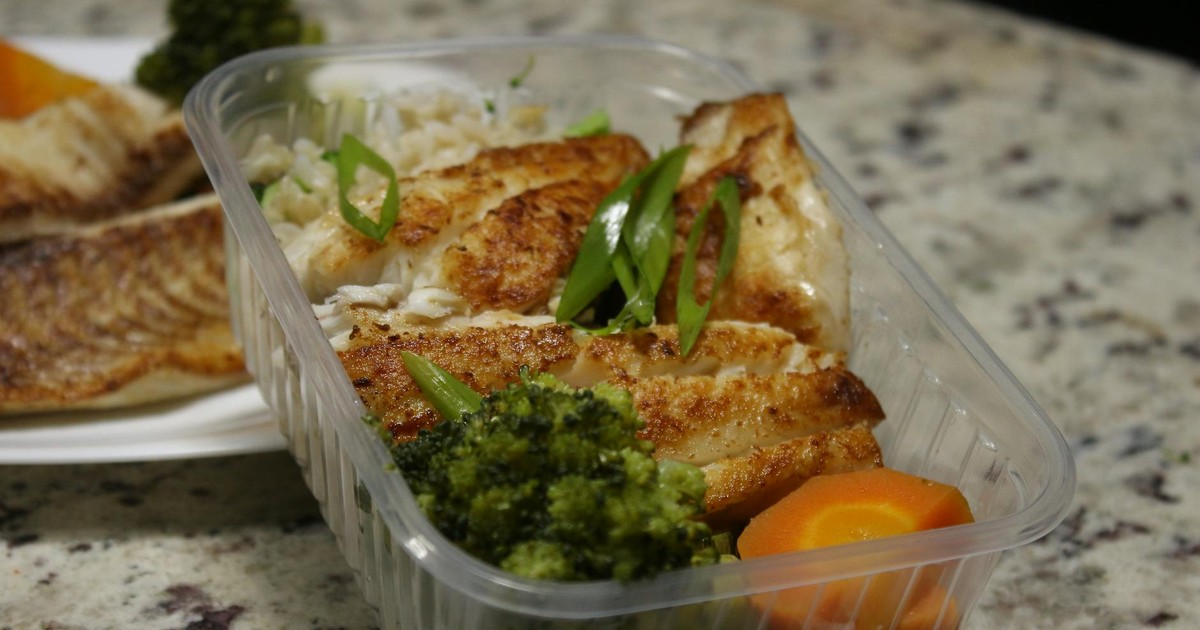
Lean proteins like chicken breast and fish play a crucial role in satiety by triggering the release of hormones that signal fullness. According to the American Diabetes Association, protein takes longer to digest than carbohydrates, helping you stay satisfied between meals. However, opt for grilled or baked preparations over fried to avoid excess unhealthy fats.
Greek yogurt stands out for its high protein content, which can reduce appetite and support muscle maintenance during weight loss. A study in Diabetes Care showed that dairy proteins like those in yogurt enhance feelings of fullness. Be wary of flavored varieties, though, as they often contain added sugars that can undermine health goals.
Eggs are another protein powerhouse, with research in the American Journal of Clinical Nutrition indicating that eating eggs for breakfast can lead to reduced calorie intake later in the day. For those with cholesterol concerns, current guidelines suggest that moderate egg consumption is generally safe for most people, but consult a healthcare provider if you have specific health conditions.
Leafy greens, such as spinach and kale, are low in calories but high in volume, thanks to their water and fiber content. They can help fill your plate without adding many calories, a strategy endorsed by experts like Judith Rodriguez, PhD, RD. Just remember that dressing choices matter—opt for light vinaigrettes instead of creamy sauces to keep calories in check.
Chili peppers contain capsaicin, a compound that may boost metabolism and reduce appetite, as noted in studies like one in Nutrition, Metabolism, and Cardiovascular Diseases. While this effect is modest, incorporating spices can add flavor without calories. Those with sensitive stomachs should introduce spicy foods slowly to avoid discomfort.
Apples are a classic choice for satiety due to their pectin fiber, which slows digestion. Research in Appetite found that eating an apple before meals can lead to lower calorie consumption. To maximize benefits, eat them whole rather than juiced to retain the fiber.
Sweet potatoes offer complex carbohydrates and fiber, providing steady energy and fullness. The USDA Nutrient Data Laboratory highlights their nutrient density. Baking or steaming them preserves nutrients better than frying.
Salmon is rich in omega-3 fatty acids, which some studies, such as one in the American Journal of Medicine, suggest may help regulate appetite hormones. Choose wild-caught varieties when possible for lower contaminant levels.
Quinoa, as a complete protein, supports satiety and muscle health. The Academy of Nutrition and Dietetics recommends it as part of a balanced diet. Rinse it before cooking to remove natural bitterness.
Dark chocolate, in moderation, can satisfy sweet cravings with less sugar than milk chocolate. A study in the Journal of Agricultural and Food Chemistry points to its potential to reduce appetite. Stick to a small square to avoid excess calories.
Green tea contains catechins that may slightly increase calorie burning, as per research in Diabetes Care. Drinking it unsweetened maximizes benefits without added sugars.
Water-rich foods like cucumbers and celery add hydration and volume with minimal calories. The Volumetrics Eating Plan by Rolls emphasizes their role in feeling full. They’re best enjoyed fresh to avoid added sodium in pickled versions.
Incorporating these foods into your diet can be a strategic way to support weight management, but they’re not magic bullets. As Leslie Bonci, MPH, RD, notes, “No single food guarantees weight loss—it’s about overall patterns and portion control.” Always pair these choices with a balanced diet and regular physical activity for best results. If you have underlying health issues, consult a professional like a dietitian for personalized advice.