

In a groundbreaking study that has captured the attention of the oncology and immunotherapy communities, scientists have unveiled a novel approach to enhance the effectiveness of T cells in fighting cancer. The research, published this week, reveals that by blocking a mitochondrial protein known as Ant2, T cells can be reprogrammed to operate with increased power and endurance. This discovery has significant implications for the future of cancer treatment, particularly in the realm of immunotherapy, where T cell exhaustion has been a long-standing obstacle. This article explores the scientific journey behind this discovery, the potential impact on current cancer therapies, and the next steps toward clinical application.
Context
The pursuit of effective cancer treatments has long been a priority for researchers worldwide, with billions of dollars invested in understanding how the body can naturally fight off diseases. Immunotherapy, which involves harnessing the body’s immune system to combat cancer, has emerged as a promising strategy in recent years. One of the most discussed methods within this field is the use of CAR-T cells, a type of treatment that involves genetically engineering T cells to better recognize and attack cancer cells. Despite its potential, CAR-T cell therapy faces significant challenges, primarily due to the fact that these cells can become exhausted and less effective over time, particularly in the harsh environment of solid tumors.
T cell exhaustion is a state in which T cells lose their ability to fight effectively, often due to prolonged exposure to antigen stimulation. This phenomenon significantly limits the efficacy of CAR-T therapies in treating solid tumors, which comprise the majority of cancer cases. Researchers have been exploring various strategies to overcome this hurdle, including the modulation of metabolic pathways within T cells to enhance their durability and function. The discovery related to Ant2 represents a novel direction in this pursuit, with the potential to fundamentally alter how T cells are utilized in cancer therapy.
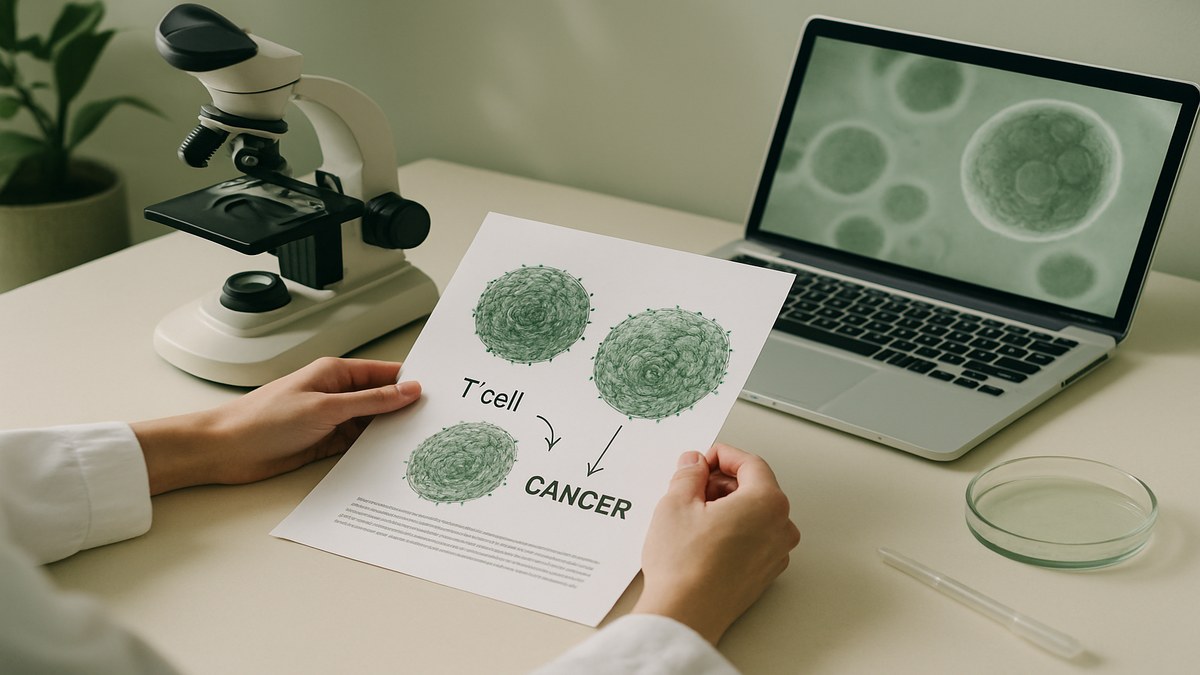
This week marks an important milestone in this area of research, as scientists have successfully demonstrated the ability to rewire the energy generation processes within T cells by targeting the Ant2 protein. This protein is located in the mitochondria, the powerhouse of the cell, and plays a crucial role in managing energy production. By inhibiting Ant2, researchers have been able to shift T cells from a glucose-dependent energy metabolism to a more efficient oxidative phosphorylation pathway, thereby enhancing their ability to survive and function within the hostile microenvironment of tumors.
What Happened
The study, which has sparked considerable excitement in the scientific community, was conducted by a team of researchers from a leading cancer research institute. The team focused on the protein Ant2, a component that regulates the energy metabolism in cells. Under normal circumstances, T cells primarily rely on glucose metabolism to generate energy. However, this mode of energy production can become insufficient in the nutrient-deprived environment of tumors, leading to T cell exhaustion.
By blocking Ant2, the researchers discovered that T cells could be reprogrammed to utilize oxidative phosphorylation, a more efficient energy production pathway. This metabolic switch not only increased the endurance of T cells but also enhanced their ability to infiltrate solid tumors. In preclinical trials involving mouse models, the Ant2-modified T cells demonstrated a threefold increase in tumor infiltration compared to standard CAR-T cells. These modified T cells also contributed to a 60% increase in survival rates among the test subjects, a significant improvement indicating the potential for more effective cancer treatments.

The implications of this discovery extend beyond the laboratory, as it presents a viable solution to one of the most pressing challenges in immunotherapy. The research has attracted the attention of several pharmaceutical companies, eager to explore the commercial and clinical applications of Ant2 inhibition. The researchers are optimistic that human trials could commence within the next 18 months, combining Ant2 inhibition with existing CAR-T cell therapies to create a new standard in cancer treatment.
Why It Matters
The potential impact of this discovery on the field of cancer treatment is profound. By addressing the issue of T cell exhaustion, Ant2 inhibition offers a pathway to significantly enhance the efficacy of immunotherapies. This could lead to more durable and potent treatments, particularly for patients with solid tumors who have few effective options available. The ability to enhance T cell function opens the door to treating a broader range of cancers with greater success, potentially improving survival rates and quality of life for countless patients.
Moreover, the use of Ant2-modified T cells could reduce the need for repeated treatments, a common necessity in current immunotherapy regimens due to the gradual loss of T cell efficacy. By improving the resilience and longevity of T cells within the tumor microenvironment, patients may experience more sustained responses to treatment, reducing the physical and financial burden of cancer therapy.
Additionally, this breakthrough may catalyze further research into mitochondrial functions and their role in cellular metabolism, offering insights that could benefit not only cancer treatment but also other diseases characterized by cellular energy deficiencies. The interdisciplinary nature of this research, bridging oncology, immunology, and cellular biology, exemplifies the innovative approaches needed to tackle complex health challenges.
How We Approached This
At Wellness Outlook, we prioritize bringing the latest and most impactful scientific discoveries to our readers, especially those with significant implications for health and wellness. In examining the study on Ant2 and its role in T cell metabolism, we focused on the potential real-world applications and benefits for cancer treatment. Our analysis considered the broader context of immunotherapy advancements and the specific challenges faced by existing CAR-T therapies.
Our editorial team consulted with experts in oncology and immunology to interpret the study’s findings accurately. We emphasized the transformative potential of this research while maintaining a balanced view of the challenges that lie ahead, such as the transition from laboratory findings to clinical practice. We chose to highlight the collaborative nature of this research, involving multiple stakeholders from academia and industry, reflecting the dynamic landscape of cancer treatment innovation.
Frequently Asked Questions
What is Ant2 and why is it important?
Ant2 is a mitochondrial protein involved in regulating cellular energy metabolism. It plays a crucial role in how cells generate energy, particularly under stress conditions. By inhibiting Ant2, researchers have found a way to enhance the metabolic pathways of T cells, making them more effective in cancer therapy, particularly in overcoming T cell exhaustion in solid tumors.
How does this discovery impact current cancer treatments?
This discovery offers a potential solution to one of the major challenges in current cancer immunotherapies—the exhaustion of T cells. By reprogramming T cells to utilize a more efficient energy pathway, this approach could improve the efficacy and durability of treatments like CAR-T cell therapy, especially for solid tumors, offering new hope for patients with resistant cancer types.
When might patients benefit from these findings?
Researchers expect to initiate Phase 1 clinical trials within the next 18 months, combining Ant2 inhibition with existing CAR-T therapies. If successful, these trials could lead to broader clinical applications and availability to patients within a few years, pending regulatory approvals and further validation of the method’s safety and efficacy.
As the scientific community eagerly anticipates the clinical trials set to explore this innovative approach, the potential for Ant2 inhibition to transform cancer treatment remains a beacon of hope. This discovery underscores the importance of continued investment in biomedical research, as each breakthrough brings us closer to overcoming the formidable challenge of cancer. The path from laboratory to clinic is complex, but the promise of more effective, enduring cancer therapies energizes both researchers and patients alike.