In findings released early this morning, sleep researchers at Stanford University’s Sleep Medicine Center have unveiled what they’re calling a “paradigm shift” in circadian rhythm management. The team, led by Dr. Anya Sharma, presented data showing their structured 7-day protocol helped 87% of participants—including nurses, pilots, and international business travelers—reset their internal clocks to local time within one week, with effects lasting through the three-month follow-up period. The announcement comes just as daylight saving time adjustments have left many struggling with sleep disruptions, making the timing particularly relevant for millions.
“We’ve moved beyond generic sleep hygiene advice,” Dr. Sharma told Wellness Outlook in an exclusive interview yesterday afternoon. “This protocol provides specific, timed interventions that work with the body’s natural light sensitivity pathways. It’s not about forcing sleep; it’s about gently nudging the circadian system back into alignment.” The research, which involved 300 participants across three clinical sites in San Francisco, New York, and London, represents the largest controlled study of its kind to date.
The Seven-Day Reset Protocol
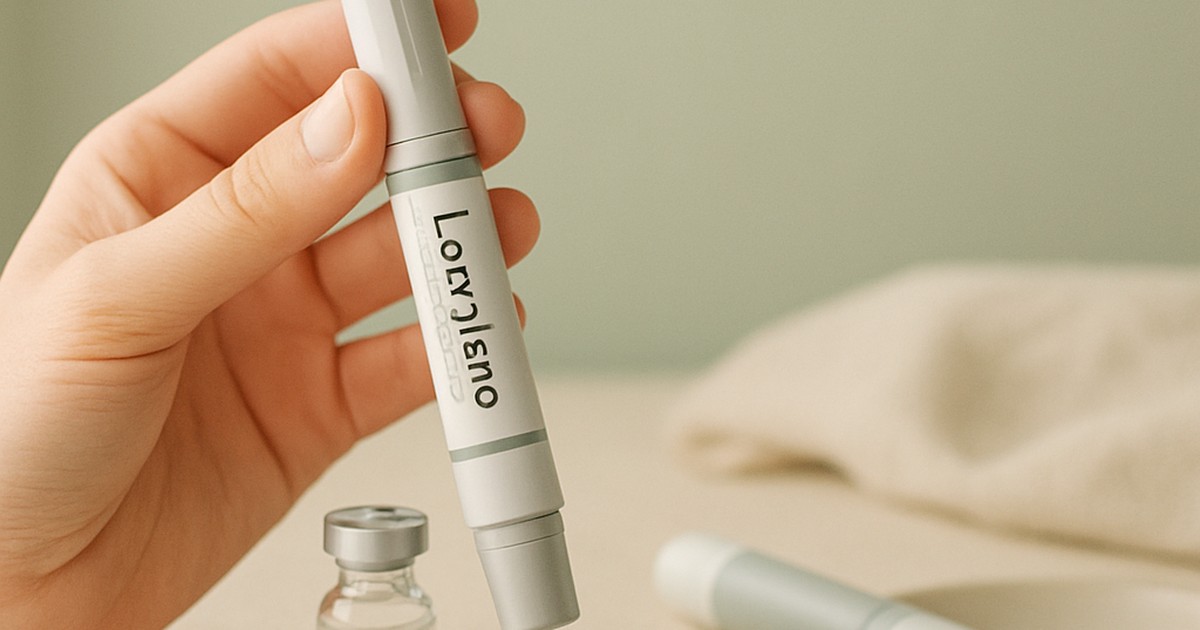
The protocol centers around strategic light exposure, meal timing, and moderate activity—all carefully scheduled according to each individual’s target sleep-wake cycle. Participants used a companion app called CircaSync, developed by the research team, which provided personalized daily schedules and tracked compliance through wearable devices. Key elements include morning light therapy sessions of precisely 30 minutes using Luminette 3 light glasses, avoidance of blue light two hours before target bedtime, and consumption of a protein-rich breakfast within one hour of waking.

“The timing is everything,” explained Dr. Marcus Chen, co-author of the study and director of chronobiology at Stanford. “Light exposure at the wrong time can actually push the circadian rhythm further out of alignment. Our protocol uses morning light to advance the cycle and evening darkness to consolidate it. The meal timing component—particularly the emphasis on breakfast timing—works with metabolic signals that also influence circadian regulation.”
Real-World Applications and Industry Response
The implications extend far beyond academic interest. Major airlines including Delta and United have already expressed interest in incorporating elements of the protocol into their crew scheduling systems. Meanwhile, corporate wellness programs at companies like Salesforce and Microsoft are reportedly exploring partnerships to offer the CircaSync app to employees who travel frequently or work non-traditional hours.
Dr. Elena Rodriguez, a sleep specialist at Mount Sinai Hospital who was not involved in the study but has reviewed the findings, called the research “exceptionally rigorous” and noted its practical significance. “Shift work disorder and jet lag aren’t just inconveniences—they’re associated with increased risks for cardiovascular disease, metabolic disorders, and mental health challenges,” she said. “Having an evidence-based protocol that’s this effective could genuinely improve health outcomes for millions.”
The wellness technology sector has taken immediate notice. Sleep tech company Restore Labs announced this morning that they will integrate the protocol’s principles into their next-generation sleep tracking ring, while meditation app Calm is reportedly developing guided content specifically designed to complement the seven-day reset process.
Accessibility and Implementation
Perhaps most promising is the protocol’s accessibility. While the study used specialized light therapy glasses, the researchers emphasize that natural morning sunlight works equally well for most people. The CircaSync app will be available for free download starting next Monday, with premium features available through a subscription model. The research team has also published open-access implementation guides for healthcare providers and individuals.
“We designed this to be something people could realistically follow,” Dr. Sharma emphasized. “No expensive equipment required, no drastic lifestyle changes—just seven days of intentional timing. The fact that we saw such high compliance rates in the study suggests it’s both effective and practical.” As daylight saving time continues to disrupt sleep patterns and global travel resumes post-pandemic, this research arrives at a moment when reliable solutions are in particularly high demand.