
Vitamin D is often called the sunshine vitamin because your skin produces it when exposed to sunlight. A deficiency occurs when your body lacks sufficient amounts of this essential nutrient, which is crucial for maintaining strong bones and supporting various bodily functions. Without enough vitamin D, you might face increased risks for conditions like osteoporosis in adults or rickets in children, as well as other health issues.
This vitamin plays a key role in helping your body absorb calcium, magnesium, and phosphate from the foods you eat. It works to balance calcium levels in your bones and blood. When vitamin D is low, calcium levels drop, forcing your body to pull calcium from bones into the bloodstream to restore balance. Beyond bone health, vitamin D influences how your nervous system, immune system, and muscles function.
Recognizing the Signs of Deficiency
Symptoms of vitamin D deficiency can vary by age. In children, who are still growing, signs are often more noticeable and may include weak, sore, or painful muscles, incorrect growth due to bowed or bent bones, muscle weakness, bone pain, and joint deformities. For adults, symptoms tend to be subtler but can involve fatigue, bone and joint pain (particularly in the back), bone loss, muscle weakness, aches, or cramps, and mood changes such as depression.

What Causes Low Vitamin D Levels?
Several factors can lead to vitamin D deficiency. Dietary intake is a common issue, especially for those on strict vegan diets, as most natural sources are animal-based. These include fatty fish like trout, salmon, tuna, and mackerel, fish liver oils, egg yolks, cheese, some mushrooms, beef liver, and fortified foods such as milk, plant-based alternatives, and breakfast cereals.
Insufficient sun exposure is another major cause. Your body generates vitamin D when your face, arms, hands, and legs are in sunlight for about 5 to 30 minutes daily. Risk increases if you spend most time indoors, live in northern climates, or consistently use sunscreen. Seasonal changes, like winter with less sunlight, can also heighten deficiency risks.
Skin pigmentation affects vitamin D production. Melanin, the pigment that gives skin its dark color, protects against ultraviolet B (UVB) light but can reduce the skin’s ability to make vitamin D from sun exposure. As a result, people with darker skin often produce less vitamin D than those with lighter skin.
Health conditions can interfere with vitamin D metabolism. Kidney or liver diseases may impair the conversion of inactive vitamin D to its active form, while disorders like Crohn’s disease, cystic fibrosis, and celiac disease can hinder nutrient absorption in the intestines. Certain medications, including carbamazepine, cholestyramine, colestipol, clotrimazole, dexamethasone, prednisone, nifedipine, orlistat, phenobarbital, rifampin, and spironolactone, may accelerate vitamin D breakdown in the liver.
Obesity is another factor, as vitamin D is fat-soluble and can be stored in fat cells, potentially lowering blood levels. Individuals with a body mass index (BMI) of 30 or higher are more prone to deficiency. Weight-loss surgeries that reduce stomach size or bypass parts of the small intestine can also impair nutrient absorption, making regular check-ups important.
Who Is Most at Risk?
Certain groups face higher risks for vitamin D deficiency. These include people over age 65, those with a BMI of 30 or higher, individuals with dark skin, smokers, and those who do not consume vitamin D-fortified foods and drinks. If you fall into these categories or experience symptoms, consulting a healthcare provider is advisable.

How Is Deficiency Diagnosed?
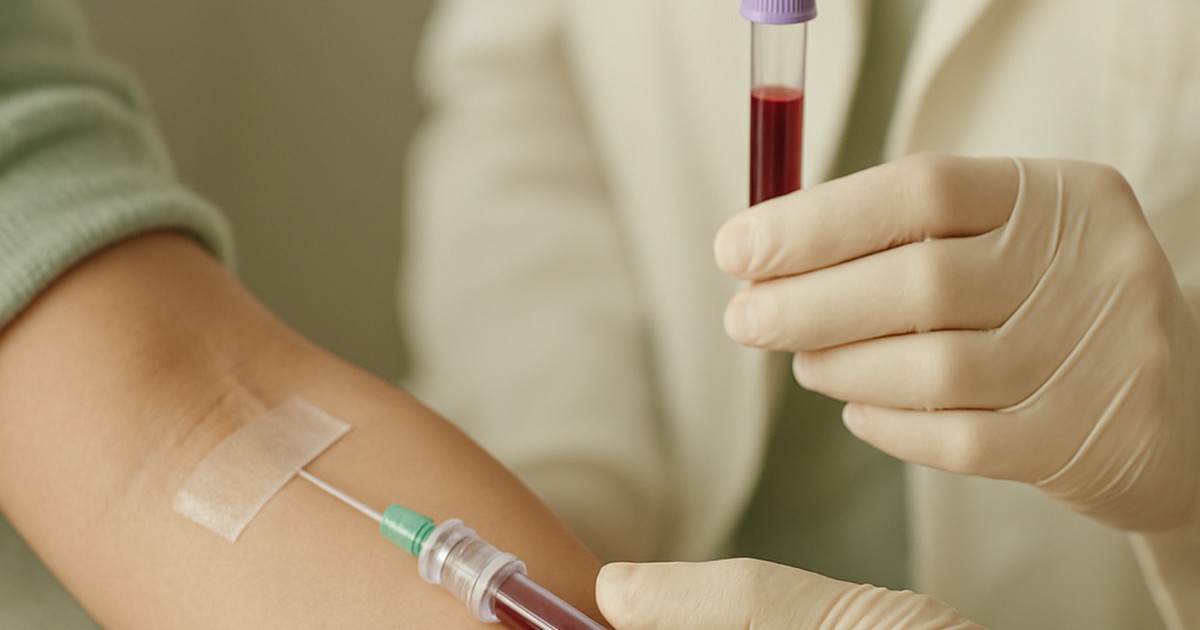
While routine screening isn’t necessary for everyone, a blood test called the 25-hydroxyvitamin D or 25(OH)D test is the most accurate way to measure vitamin D levels. Experts note that optimal levels can vary based on age, race, ethnicity, and test type, but general guidelines from the Food and Nutrition Board suggest: 50 nanograms per milliliter or more may be too high and cause health problems, 20 nanograms per milliliter or more is likely sufficient for most healthy people, and 12 nanograms per milliliter or less is considered deficient. Deficiency is often categorized as mild (less than 20 ng/mL), moderate (less than 10 ng/mL), or severe (less than 5 ng/mL).
Treatment and Recovery Strategies
If diagnosed with low vitamin D, treatment typically involves supplementation. In the U.S., recommended dietary allowances are 400 international units (IU) daily for infants, 600 IU for children and teens aged 1-18, 600 IU for adults aged 19-70, and 800 IU for those 70 or older. Supplements come in two forms: ergocalciferol (D2), which requires a prescription, and cholecalciferol (D3), available over-the-counter, with D3 being easier for the body to absorb.
Dosage depends on deficiency severity and risk factors. For general cases, doctors might start with 6,000 IU of D3 daily until levels exceed 30 nanograms per milliliter, then reduce to 1,000-2,000 IU per day. High-risk individuals, such as those on certain medications or with dark skin, obesity, or absorption issues, may begin with 10,000 IU daily until levels are above 30 ng/mL, followed by 3,000-6,000 IU daily. Children usually receive 2,000 IU daily for about 6 weeks until levels normalize, then 1,000 IU per day, while nursing infants or those not consuming fortified milk may need 400 IU daily.
Recovery time generally spans 6 to 8 weeks of supplementation to restore normal levels, with continued use often recommended to prevent relapse.
Preventing Vitamin D Deficiency
Prevention focuses on adequate dietary intake and safe sun exposure. Key food sources, listed from highest to lowest vitamin D content, include fatty fish like halibut, carp, mackerel, tuna, salmon, sardines, and rainbow trout, cod liver oil, mushrooms, dairy products (especially fortified ones), whole eggs and egg yolks, beef liver, fortified orange juice, and fortified cereals.
For sun exposure, aim for 5 to 30 minutes outdoors without sunscreen daily to boost vitamin D production without increasing skin cancer risk. If diet and sun aren’t sufficient, supplements can help: adults under 65 may take 600-800 IU of D3 daily, while those 65 and older might need 800-1,000 IU daily.
Key Takeaways and FAQs
Vitamin D is essential for bone health and overall well-being. Deficiency raises risks for weak bones and other conditions. A blood test can check levels, and supplements are often recommended if low. To quickly increase vitamin D, get 5-20 minutes of sun on exposed skin daily, eat vitamin D-rich foods, or take supplements—though it may take at least a week to see improvements. Warning signs include fatigue, bone and joint pain, bone loss, muscle issues, and mood changes; consult a doctor if symptoms arise.
Low vitamin D levels have been linked to increased risks for cancer, heart disease, stroke, depression, multiple sclerosis, and type 2 diabetes, highlighting the importance of maintaining adequate levels through balanced lifestyle choices.